Your car is ready and waiting in the driveway, and everyone is excited. But then the questions start: How much will the toll cost? How much does fuel cost? How do I get to the island? If you equip yourself with the necessary information, you can look forward to one of the most beautiful holidays.
With nearly 1,800 km of mainland coastline, good infrastructure, and a network of national parks, islands, and medieval old towns, it’s no coincidence that Croatia is one of the most popular destinations for guests from several countries in Central Europe. It’s hard to explore this country better than on your own. This article answers all the important questions, so you’ll have more time on the road to enjoy the scenery.
Tolls, vignettes and other useful information
The most common route to Croatia runs from Germany through Austria and Slovenia. Depending on your starting point in Germany and destination in Croatia, this route is between 700 and 1,500 km long. Three countries, three toll systems.
Austria
In Austria, highway vignettes are available in digital form as well as stickers. However, the latter will be phased out after 2026, meaning that starting in 2027, only the digital version will be available in Austria. Vignettes can be purchased at over 6,000 sales locations in Austria and abroad, as well as through the ASFINAG Toll Shop or the ASFINAG app. A digital vignette can be purchased online by entering the vehicle registration number.
The following table lists the prices for vignettes, available in Austria.
| Passenger cars and motor vehicles with a gross vehicle weight of up to and including 3.5 tons | Motorbikes | |
|---|---|---|
| Annual Vignette | 106,80 € | 42,70 € |
| 2-month Vignette | 32,00 € | 12,80 € |
| 10-day Vignette | 12,80 € | 5,10 € |
| 1-day Vignette | 9,60 € | 3,80 € |
Slovenia
The digital vignette is the only option available in Slovenia, as the sticker vignette has been discontinued. There are 3 toll classes. The table below shows the price list for all three toll classes in Slovenia.
| Motorbikes | Vehicles with a gross vehicle weight of up to 3,500 kilograms and a height above the first axle not exceeding 1.3 meters (most passenger cars) | Vehicles with a gross vehicle weight of up to 3,500 kilograms whose height above the first axle exceeds 1.3 meters | |
|---|---|---|---|
| Annual Vignette | 58,70 € | 117,50 € | 235,00 € |
| 6-month Vignette | 32,00 € | / | / |
| 1-month Vignette | / | 32,00 € | 64,10 € |
| Weekly Vignette | 8,00 € | 16,00 € | 32,00 € |
You can purchase the digital vignette for your vehicle online. There, you can also check the validity of your vignette by entering your license plate number.
If you are travelling by car from Austria to Slovenia through the Tunnel Karavanke, you must pay a toll to use the tunnel. The current toll is 9 €. Currently, only one of the two tunnel tubes is in use—the one that has been renovated. Both tubes are expected to be in use by 2029.
Croatia
Croatia has its own distance-based toll system, which is gradually being replaced by an electronic toll collection system. The country is developing a new system called Crolibertas, due to be introduced in March 2027. It is expected that the new system will speed up traffic flow and reduce congestion at toll booths.
Fuel prices
Since Croatia joined the Eurozone in 2023, making payments has been simple. Fuel prices in Croatia are often lower than in Germany. There are many petrol stations along Croatian motorways that offer LPG and AdBlue, though not as frequently as in Germany. Drivers using gas should check their fuel levels before heading out to remote areas.
As fuel prices have fluctuated significantly recently, we recommend checking prices in countries along your route. The differences can be substantial.
Diversity in one place
Croatia is not a one-size-fits-all destination: the different regions—Istria, Kvarner, and Dalmatia—vary significantly in terms of atmosphere, infrastructure, and travel routes.
Istria
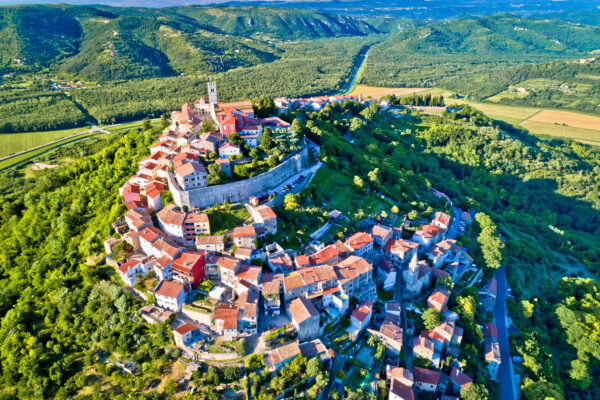
Istria is the top choice for those who want to avoid long drives. From Munich, the town of Rovinj is about a 6-hour drive away. The peninsula boasts charming coastal towns, pristine nature and hilltop towns. The region is known for its rich culinary tradition and high-quality wines and olive oil.
Kvarner Bay
Situated further south, Kvarner Bay boasts a unique attraction: the 1,430-metre-long bridge (Krčki most) connects the island of Krk directly to the mainland. This eliminates the hassle of ferries and waiting times for departures. The other islands in the region, such as Rab and Lošinj, are only accessible by ferry.
Dalmatia
Dalmatia is the furthest away, with a journey time of just under 1,300 km from Frankfurt to Šibenik, but it’s well worth it for anyone who wants to experience national parks, deep blue waters and Dalmatian old towns. This region is renowned for its hospitality and relaxed way of life — the perfect combination for the perfect holiday.
Travelling to the islands
If you’re planning on visiting the Croatian islands, you’ll almost certainly need to take a ferry. Most of the routes are operated by Jadrolinija, the state-owned ferry company. Experience has shown that crossings in the early evening and early morning at weekends are the busiest during July and August. If possible, travel on weekdays or book your crossing in advance.
Internet
Although Wi-Fi at Croatian campsites has improved significantly, it isn’t reliable everywhere. If you plan to work remotely or regularly use navigation apps, consider purchasing a local SIM card or eSIM. Croatian mobile carriers offer affordable data plans that are worth it, even for longer stays.
Where to stay
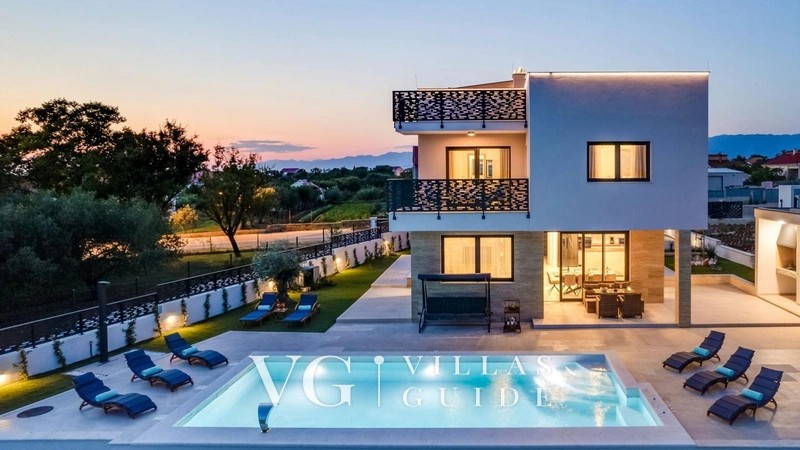
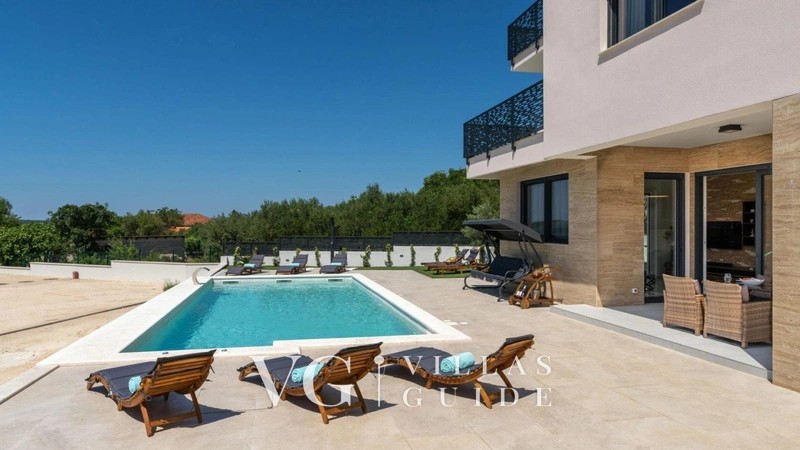
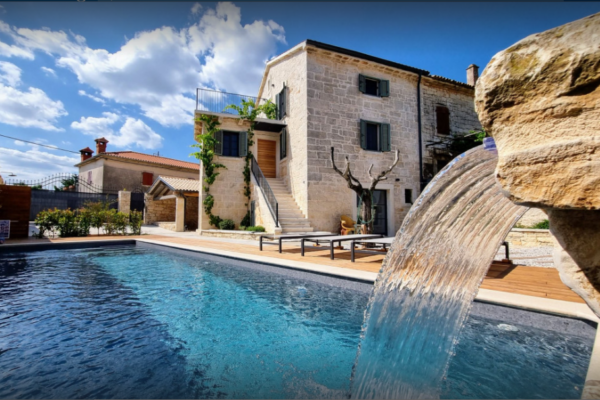
Croatia offers a huge range of accommodation options. On our website, you’ll find more than 800 luxurious villas and almost 200 cosy apartments throughout the country where you can spend your holiday. You can filter accommodation by region, destination or other interests. We have selected one villa from each of three different regions that offers everything you need for a well-deserved break.
Villa Casa Malvasia, Labin, Istria
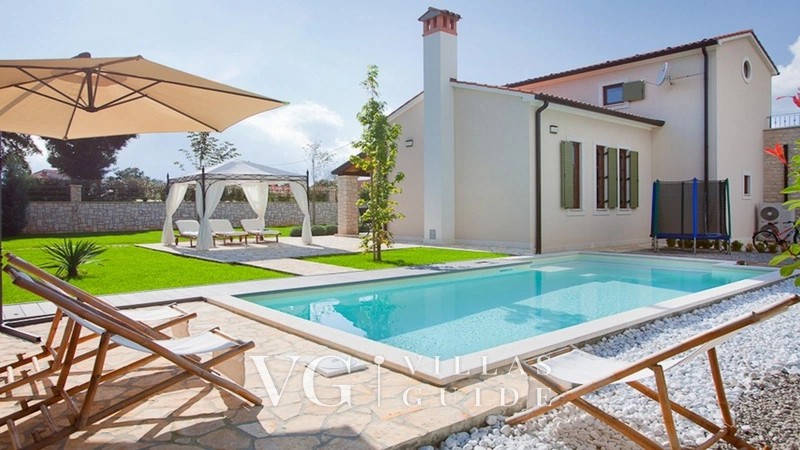
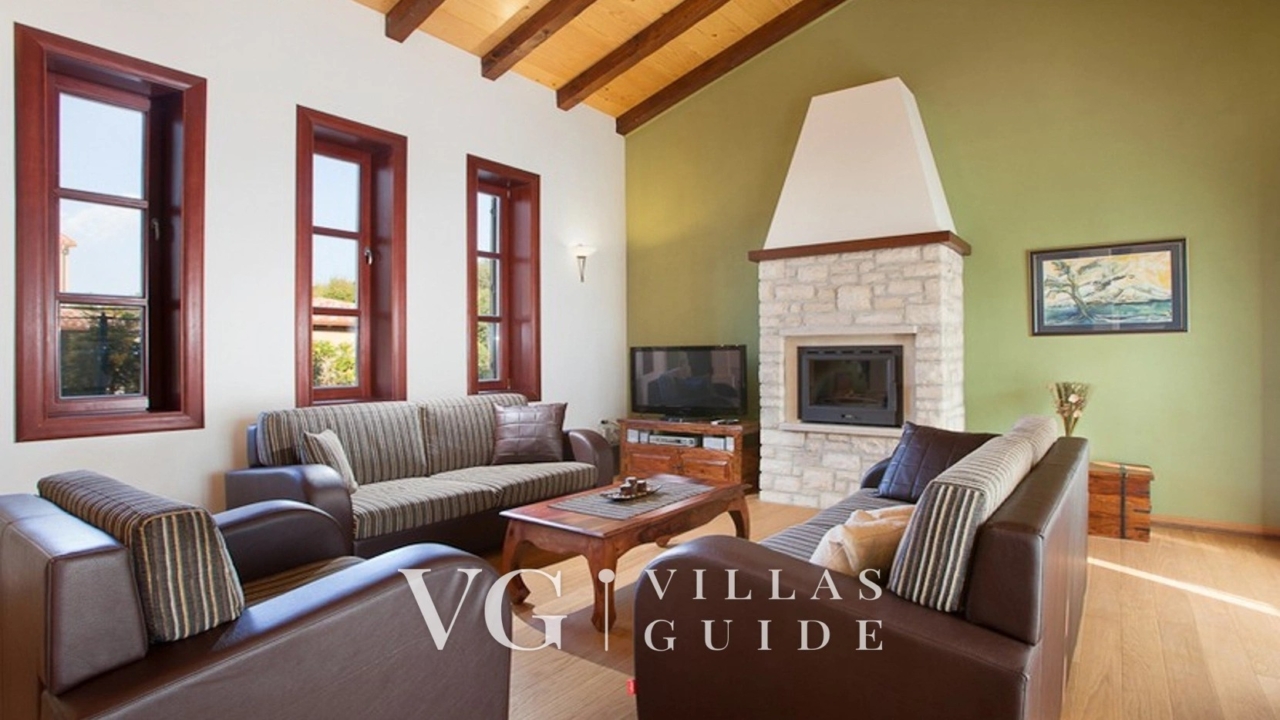
Villa Casa Malvasia is located in a quiet village near Labin in south-eastern Istria. This villa can accommodate up to eight people and boasts a heated outdoor pool, a summer kitchen and a barbecue area. You will never be bored here — you can play table tennis, pool, volleyball, football or tennis. You can also rent a bike, including an electric one. Your children will love the garden playground. It’s a perfect place for a group of friends or two families looking for a memorable holiday in Istria.
Villa Zarra, island of Krk, Kvarner region
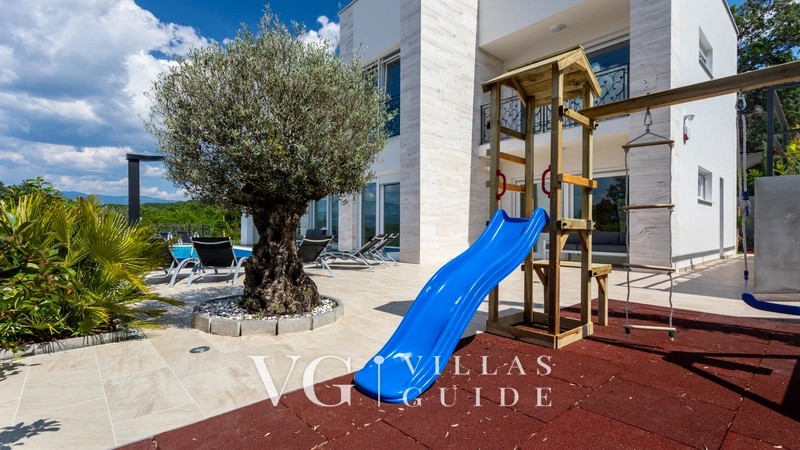
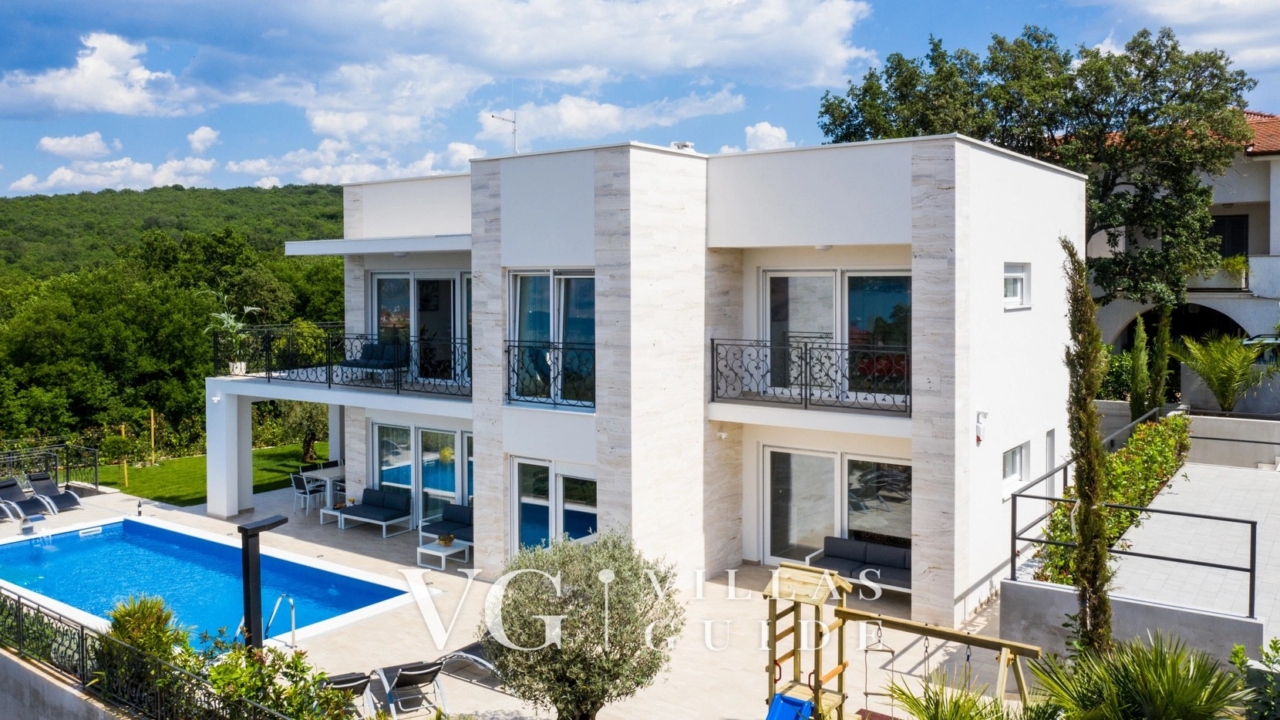
In the north-east of Krk Island, you will find Villa Zarra, a spacious, luxurious villa that can accommodate up to 8 people. This modern property boasts a heated outdoor swimming pool, an infrared sauna and a hot tub. The four air-conditioned bedrooms all have private bathrooms, and some also have a balcony. While you relax in the outdoor seating area, your children can play on the small playground.
Villa Kate, Zadar, Dalmatia
Modern and spacious are the best words to describe Villa Kate, which is located in the Zadar hinterland. This four-bedroom, four-bathroom villa can accommodate up to eight people and boasts a 7,000 m² property. There is a heated swimming pool and a sun deck with sun loungers. The villa also offers plenty of activities to keep you entertained, including badminton, tennis, basketball, football, volleyball, fitness, table tennis and darts. So pack your sports equipment and off you go!