Croatia is known for its beautiful coastline and crystal-clear sea. But if you’re planning a vacation here, you’re probably wondering about the quality of the drinking water and whether tap water is safe to drink. We have investigated this in more detail, and below, we provide all the necessary information.
Sources of drinking water in Croatia
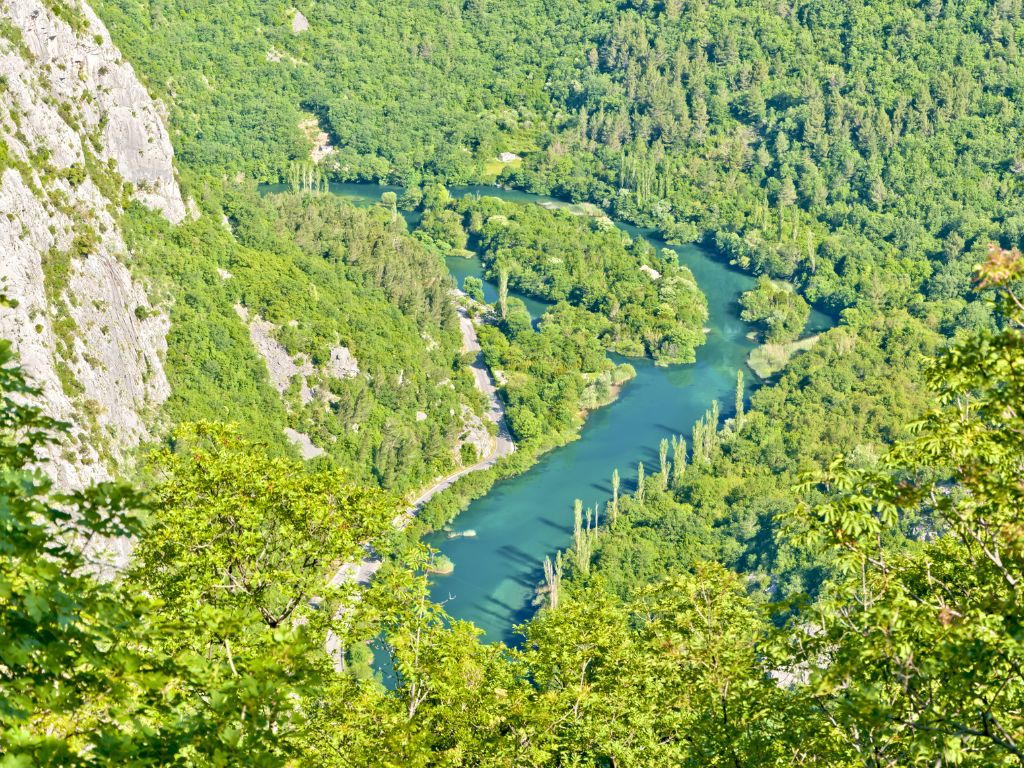
While some countries struggle with a shortage of drinking water, this is not the case in Croatia. A 2014 UNESCO study (the most recent data available) ranked Croatia 5th in Europe and 42nd worldwide in terms of water source availability and abundance. The country received this high ranking because of its many rivers, lakes, and natural springs.
The quality of drinking water in Croatia
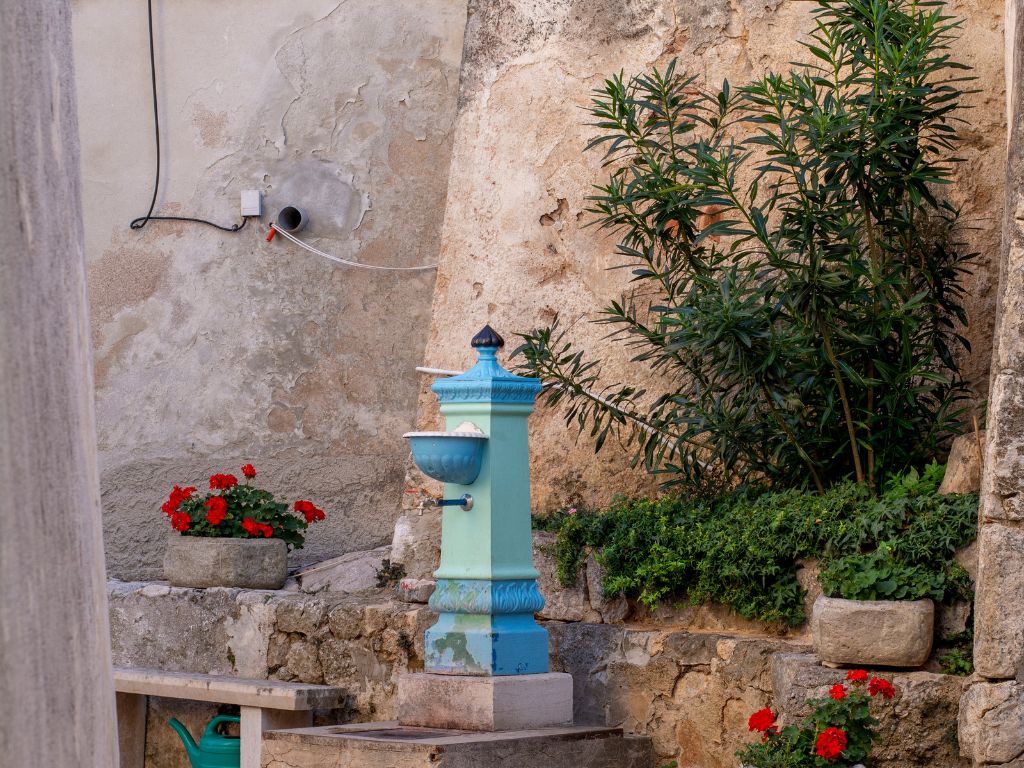
Tap water is regularly monitored in Croatia. The Croatian Institute of Public Health (HZJZ) analyzes hundreds of samples every year. According to the latest report from 2024, only 2.6% of the samples failed to meet health standards. In the event of any irregularities, the relevant authorities immediately issue a warning and organize an alternative drinking water supply until the problem is resolved.
Microplastics in drinking water: what Croatia’s first study shows
Beyond the standard quality parameters, in 2026 Croatia obtained data on the presence of microplastics in drinking water for the first time. Through this research, Croatia became one of the first European Union member states to carry out a national study under the new European framework for monitoring microplastics in water intended for human consumption.
The analyses showed an average concentration of 0.144 particles of priority polymers per litre, meaning roughly one microplastic particle per seven litres of water (lower than or comparable to other European studies). Nanoplastics, meaning particles many times smaller, were not covered by the research, since internationally comparable methods for detecting them are still being developed.
Is tap water safe to drink?
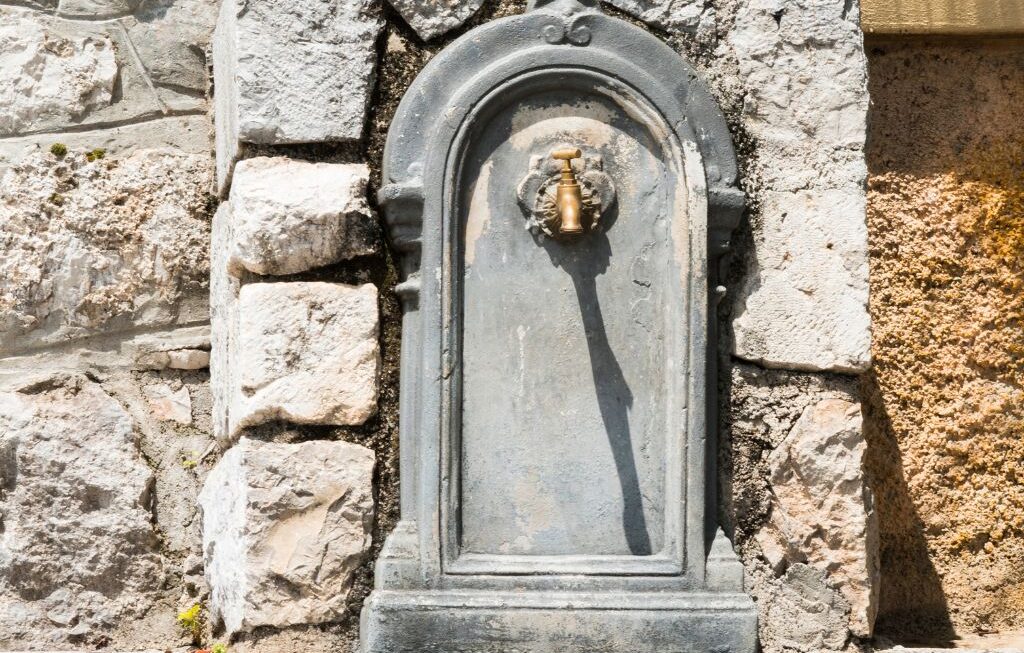
Due to the good quality of drinking water, residents across the country almost exclusively drink tap water from the public water supply system. Water from public water supply systems is safe for health and is regularly monitored.
When you book a place to stay, you will probably be informed about the water quality at that location, or you will see that information displayed at the property. If you’re unsure whether it’s safe to drink the tap water during your stay, contact the owner before drinking it.
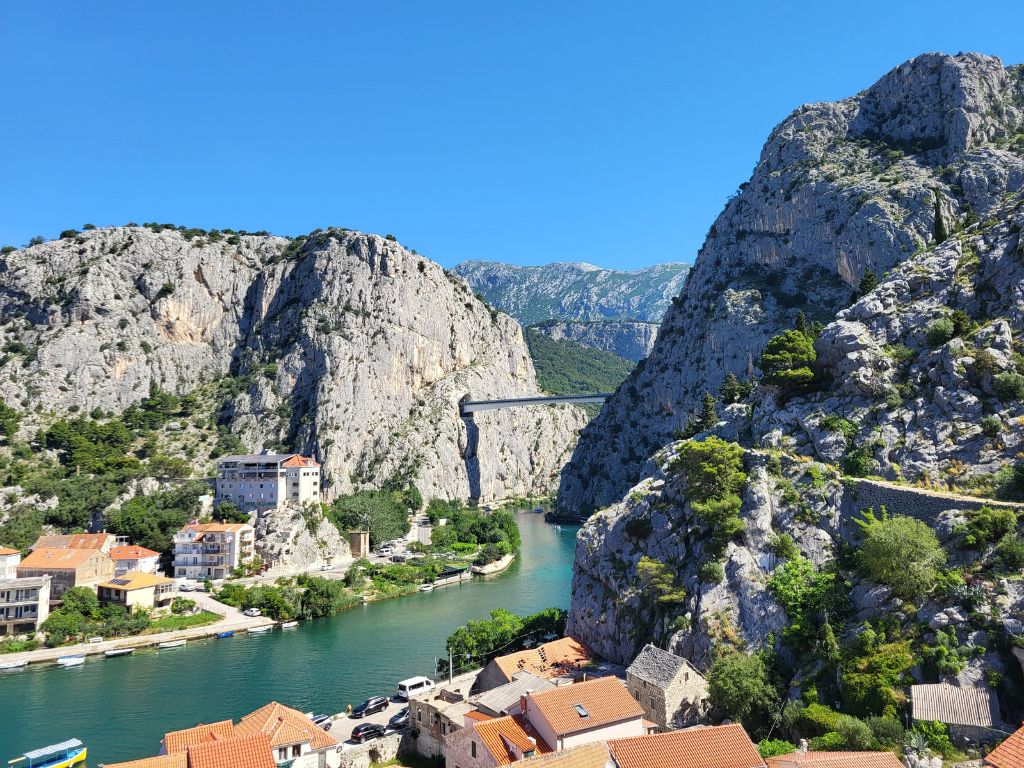
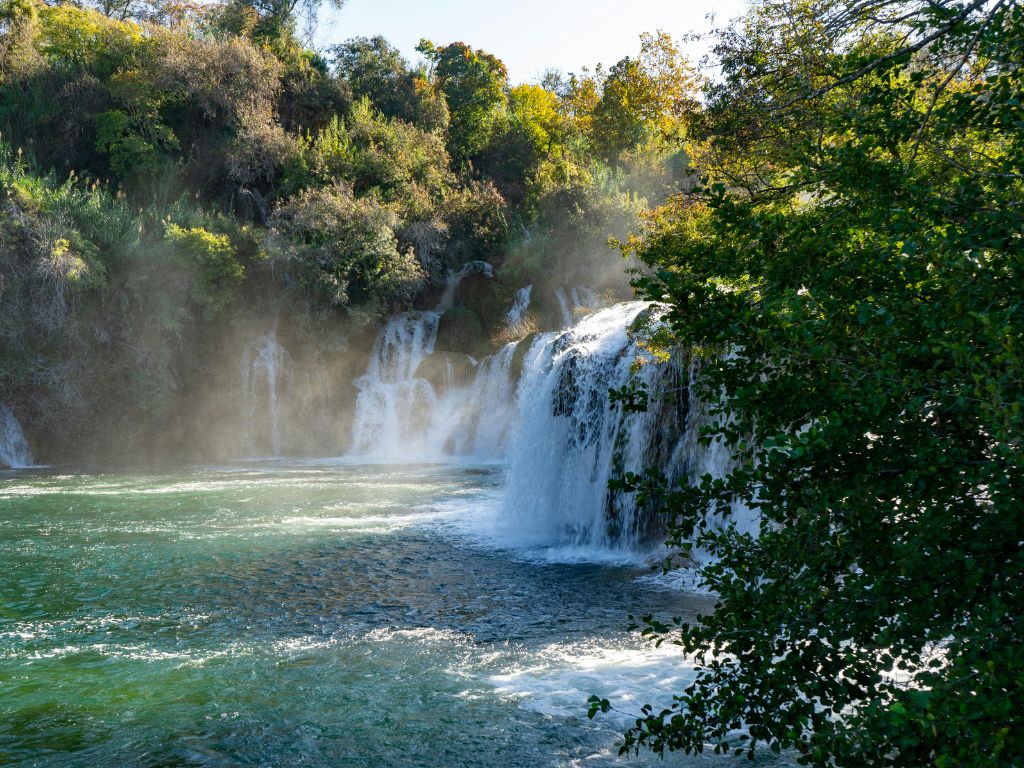
Outside the accommodation, it is important to follow local instructions. If the tap water in an establishment is unsafe to drink, it should be clearly indicated. If you are planning a trip to the countryside, it is better to stock up on drinking water than to rely on potential sources whose quality and safety cannot be guaranteed.
Wondering what the situation with drinking water is like on the islands? Some Croatian islands, such as Brač, are connected to the mainland water supply system. Some Croatian islands have their own sources (such as Vis and Krk), or are partly connected to the mainland and partly supplied from their own sources (such as Korčula). In the event of a shortage or poor quality of drinking water, water is brought to the island by tanker. Therefore, even on islands, you should always have access to drinking water. However, it is always a good idea to check whether tap water is safe to drink before consuming it.
Conclusion
Croatia has an abundance of drinking water sources, and tap water is generally safe to drink throughout the country. However, you should always check local instructions, especially if you are staying on an island or in a rural area, or if you are planning a trip to the countryside.
Planning your next vacation in Croatia? Check out our selection of villas in Croatia and find the perfect accommodation for a carefree and relaxing stay.