Pula is one of those Croatian cities where even the most ordinary walk becomes a journey through history. The Romans left an indelible mark here, and their legacy still dominates almost every corner of the old town.
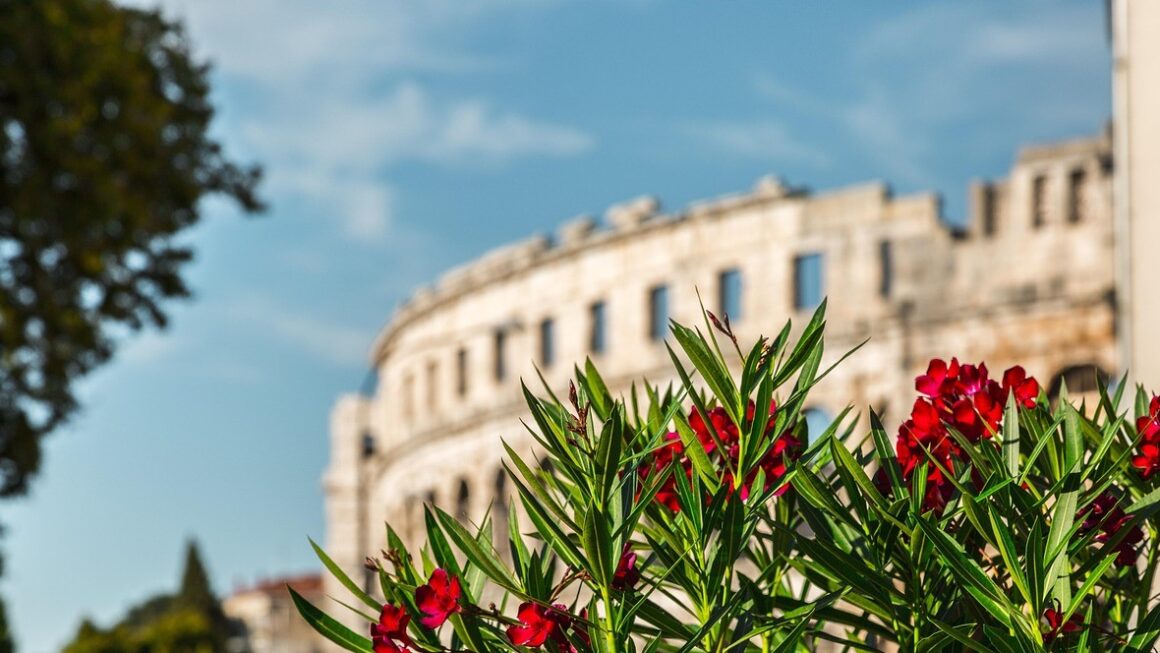
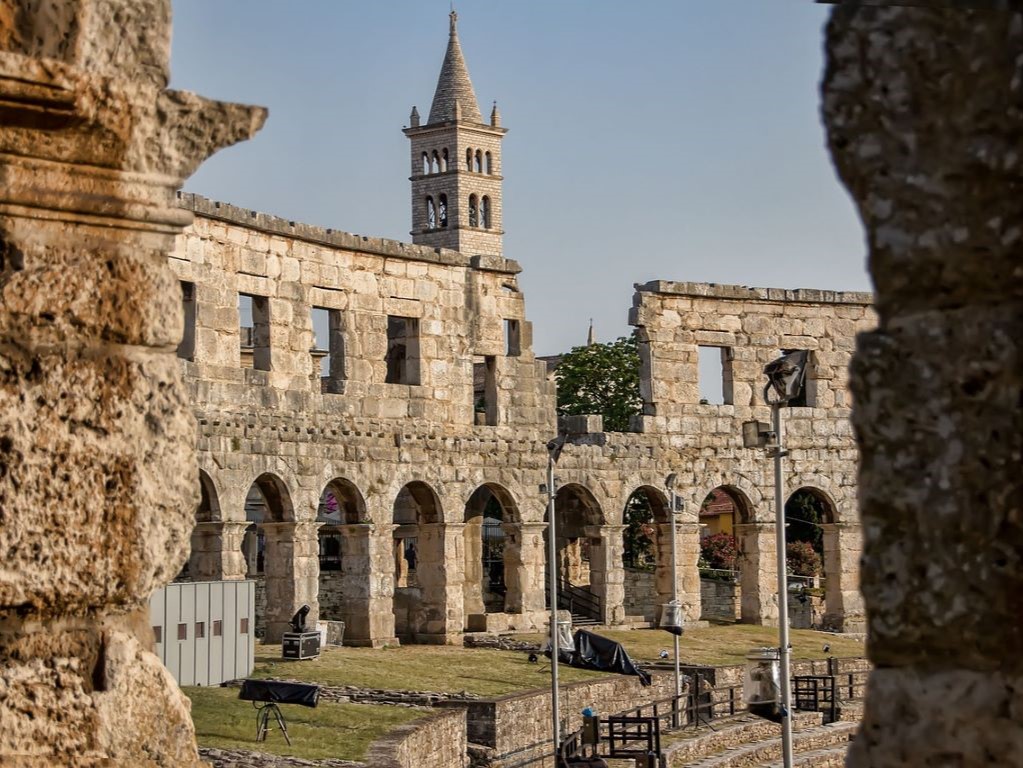
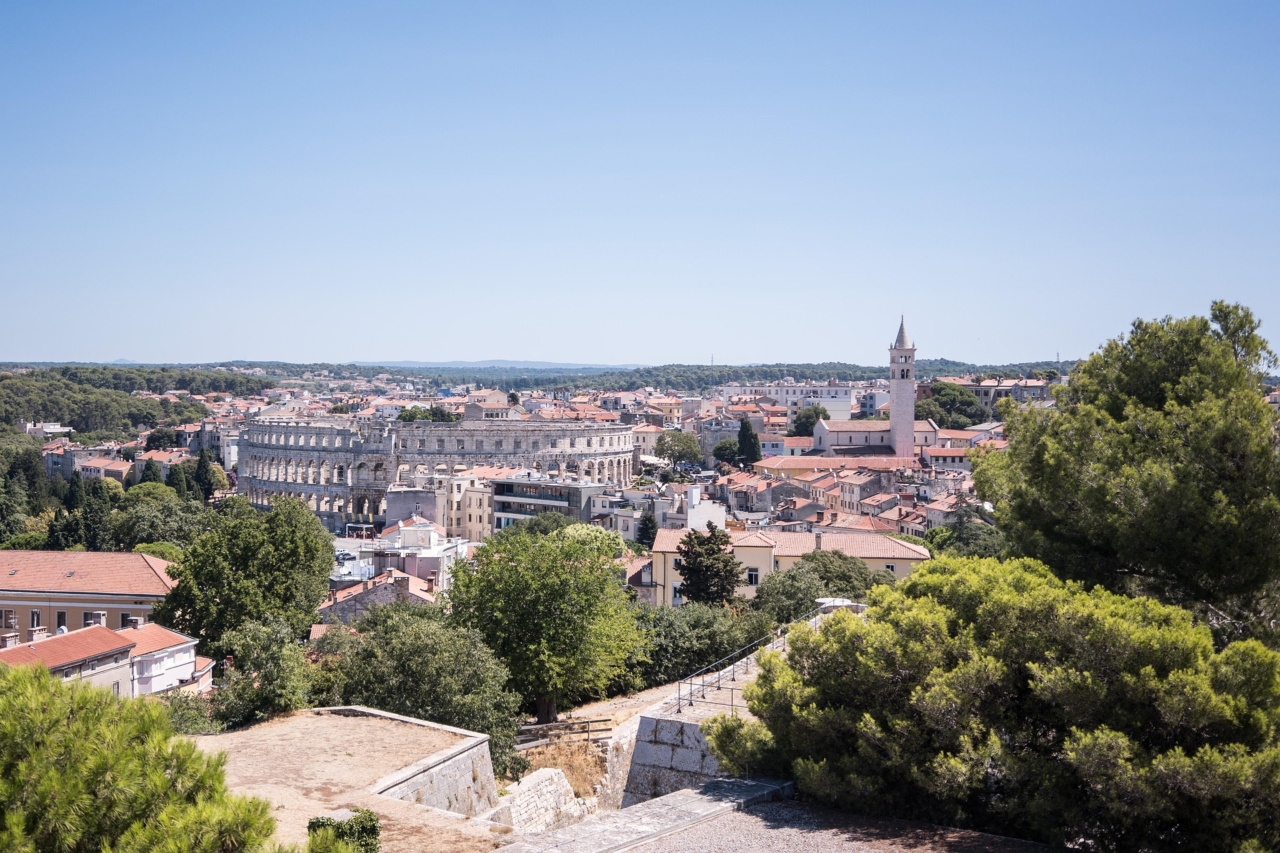
The most famous monument is, of course, the Pula Arena; and it deserves its flowers. It is one of the best-preserved amphitheatres anywhere in the world, the only one to keep its complete circular wall and all four side towers, and the sixth-largest Roman amphitheatre ever built, once holding around 23,000 spectators.
But treating Pula as a one-monument stop is where most visitors go wrong.
We aren’t going to focus only on what people already know well in this blog post. We’ll talk about what to see, where to eat, where to go to the beach and how to find the ideal accommodation from insider’s perspective.
What is there to see in Pula besides the Roman Arena?
Glad you asked!
Pula’s Roman core extends well beyond the amphitheatre, and most of it is free or low-cost and walkable:
- Arch of the Sergii — one of the early triumphal arches of the imperial period.
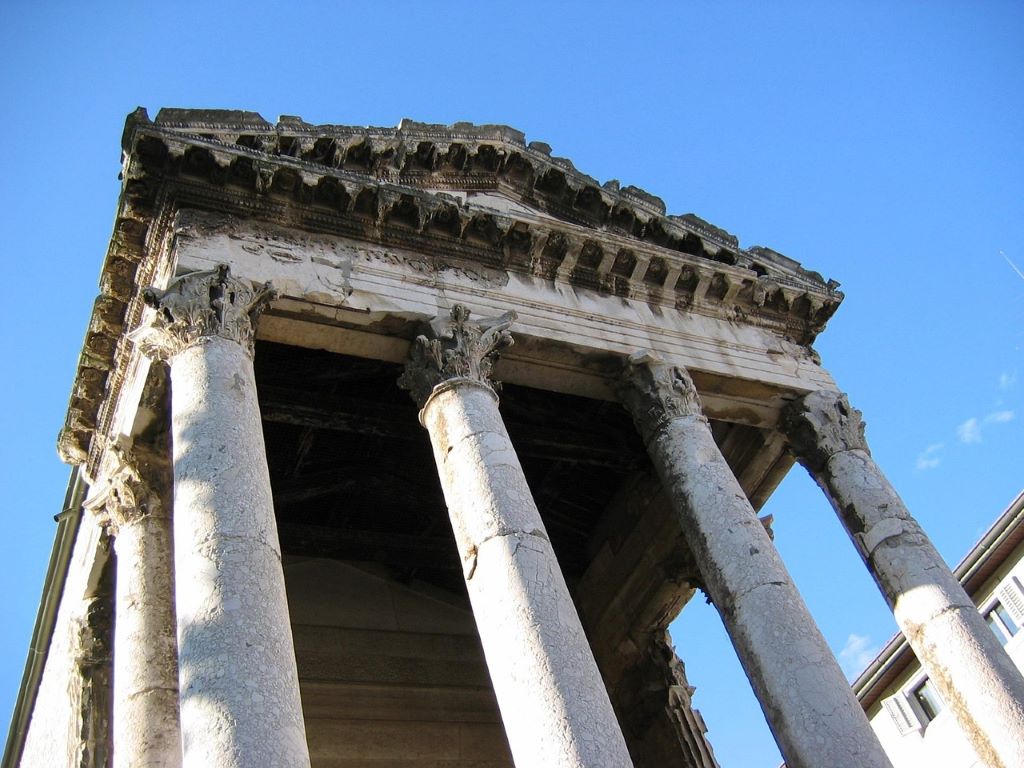
- Temple of Augustus — standing almost unchanged for nearly 2,000 years on the old Forum, in the middle of modern city. Many people walk straight past it. Don’t be one of those people.
- Twin Gates (Porta Gemina) and Hercules Gate (Porta Ercole) — surviving Roman city gates just a short walk apart.
- Small Roman Theatre — you can visit the Archaeological Museum of Istria. It puts the whole city in context, from prehistoric to medieval times.
- Kaštel Fortress — the 17th-century Venetian citadel, also known as the best free rooftop-and-harbour view in Pula, especially in the late afternoon.
To place Pula in the wider context, see our guide to Istria — where tradition meets natural beauty.
What is Zerostrasse, and is it worth visiting?
Ready for a history rollercoaster? We’re jumping from the Roman times to the WWI.
Zerostrasse is a network of underground tunnels carved beneath Pula’s old town during the First World War to shelter the population from bombardment.
Sections are open to the public today. It is one of the best options for a hot midday or a rainy afternoon. The mood is atmospheric and completely different from old ruins and beaches. If you get tired of Romans and sun, you know where to go now.
You’ll probably be in need of some light nostalgia after the WWI tunnels. No worries, you can visit the nearby Museum of Good Memories (MEMO). It is a small exhibit about everyday life in socialist-era Yugoslavia.
What is a good walking route through Pula’s old town?
A visit to a historic city is not complete if you don’t wander around for an afternoon.
Get your camera, sunglasses, a hat, a bottle of water and some gelato. Let’s do this.
Here is a route that strings together Pula’s famous sites:
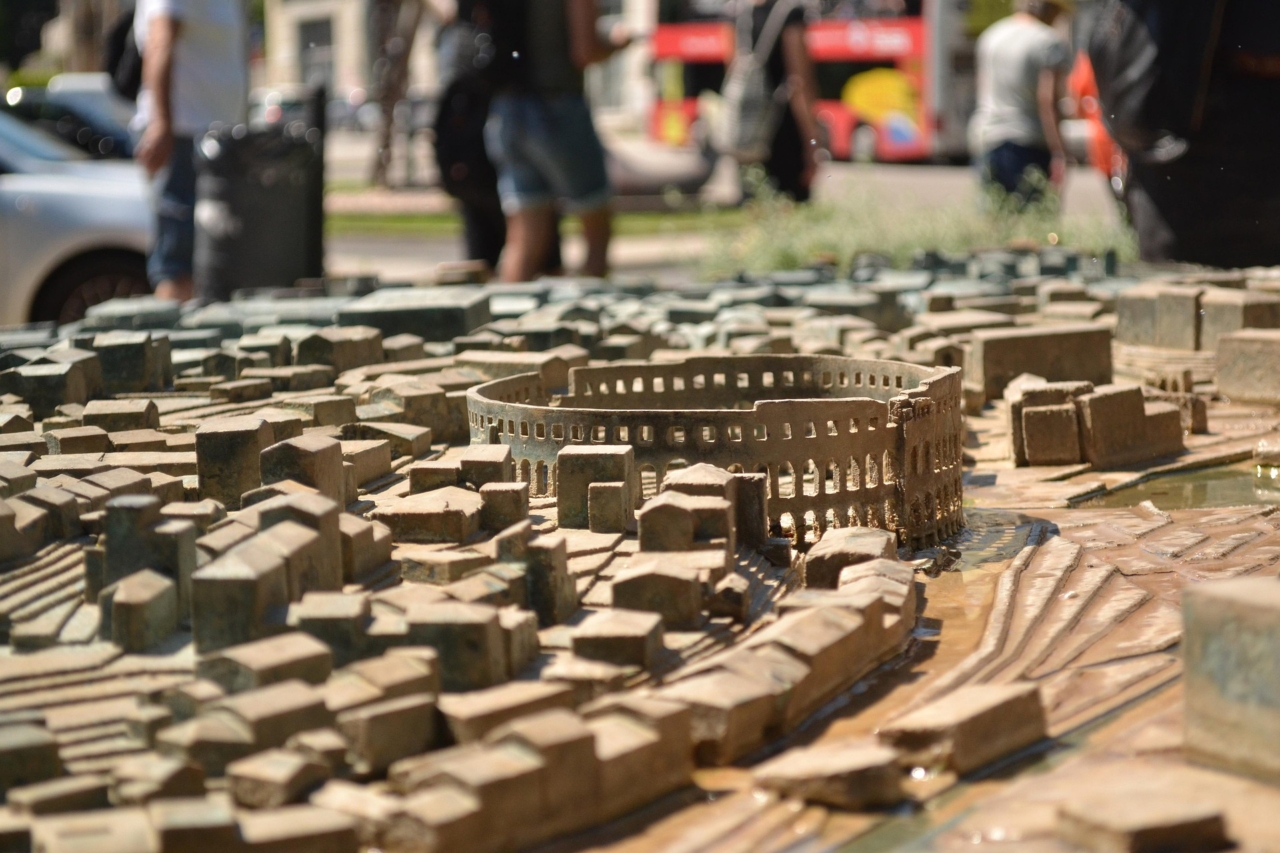
Arena → Tito Park (Pula in miniature) → Twin Gates → Zerostrasse → Hercules Gate → Portarata Square (Arch of the Sergii) → Forum Square (Temple of Augustus, City Hall) → Kaštel Fortress
Ending the walk on the waterfront is going to be perfect. You’ll catch the Lighting Giants. It is a cool installation that transforms old cranes from Uljanik shipyard into a light show when the sun sets.
If you’re looking for peace and quiet, head to Veruda, or as the locals call it: Fratarski island. We hear the locals gather there at weekends for barbecues (but don’t tell them we told you).
Is Brijuni National Park a good day trip from Pula?
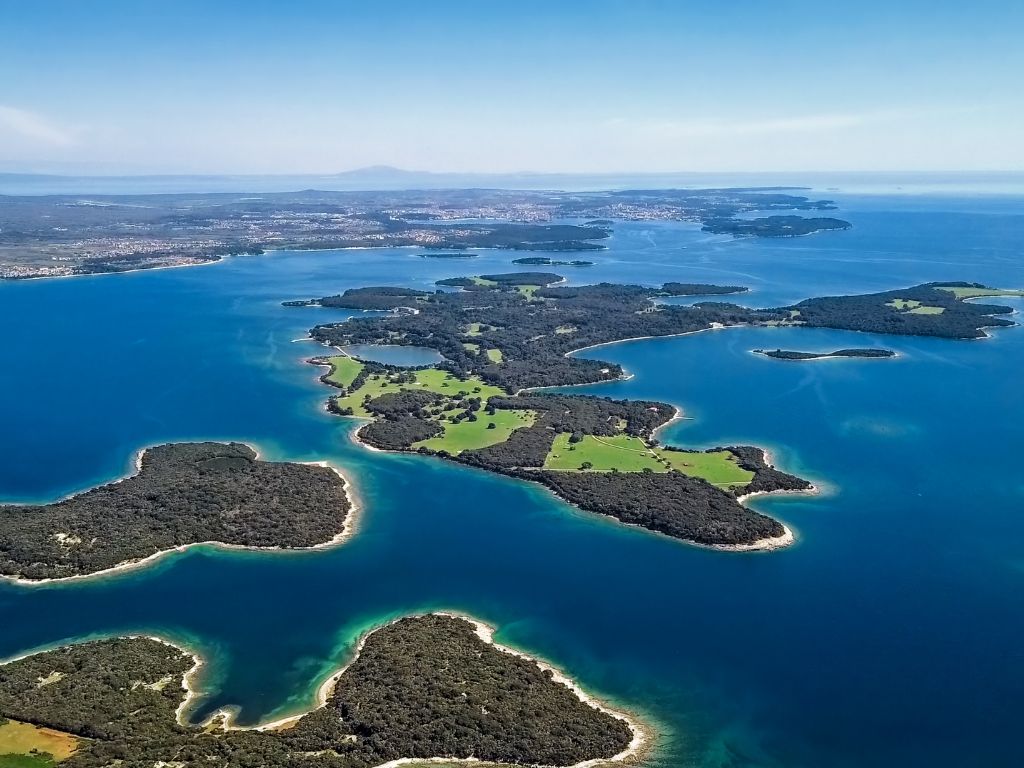
Brijuni (Brioni) is an archipelago of 14 islands off the coast near Pula, declared a national park in 1983. It’s a short boat crossing away from Fažana.
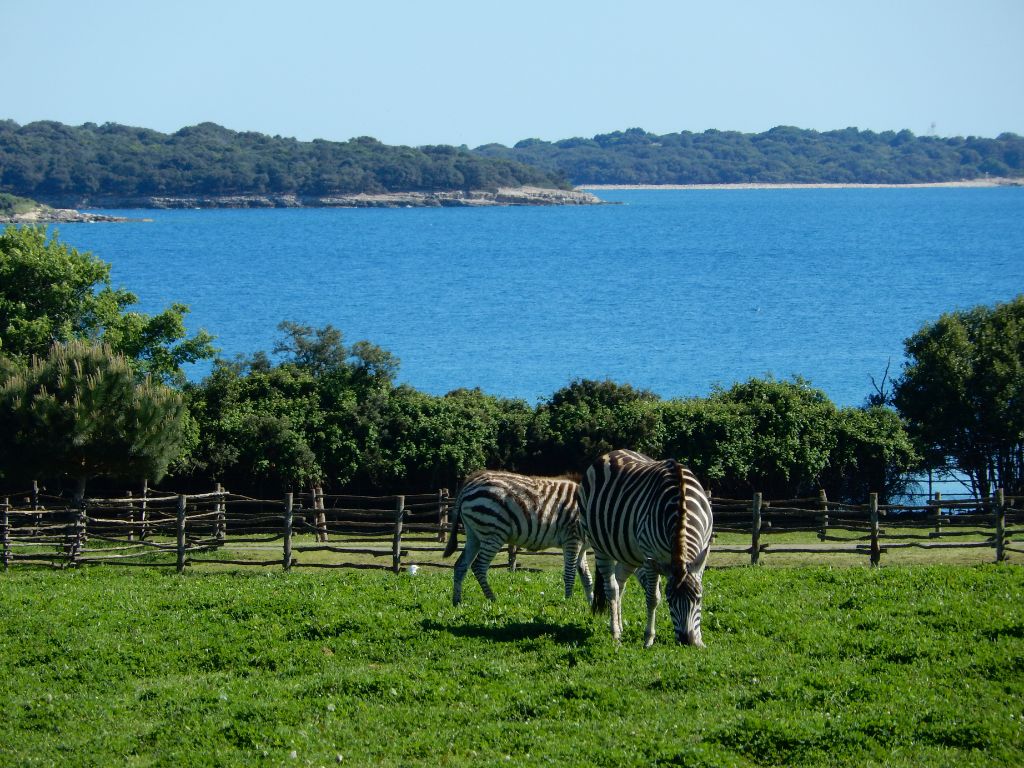
It is one of Istria’s most distinctive day trips: a safari park with free-roaming zebras, camels and ostriches, Roman and Byzantine ruins, an olive tree around 1,600 years old.
It also has political and historical significance: it was the summer retreat of Yugoslav leader Josip Broz Tito, who hosted world leaders and film stars such as Sophia Loren and Elizabeth Taylor there.
It suits travellers who want nature and history in one afternoon. If you want to learn more, read our full guide, Brijuni National Park: a must-see when visiting Istria, for ferry times.
Where can I find the best local food in Pula?
The best food is usually a street or two away from the main tourist sites.
Good restaurants serve Istrian staples like fuži pasta with truffles, maneštra stew and the day’s fresh Adriatic catch.
Our team picked a few reliable places in Pula and its surroundings:
- Gaucho Steakhouse – Large selection of grilled dishes, generous portions. Homemade brandies and original desserts. Be sure to try the steaks.
- Restaurant Katarina – Located on the island of Sveta Katarina, it has a beautiful terrace by the sea. The prices are more than acceptable considering the location.
- Gagliardo – Restaurant in the very heart of the city, serving Istrian specialties. The owner is our former colleague, so be sure to mention that you booked through us and who knows, you might even get a discount (don’t take our word for it, but it’s worth a try 😄).
- Hook and Cook – One of the best fish street food restaurants in Istria and beyond. They offer a wide selection of fish burgers, fries and local craft beers. P.S. They also have their own shop.
- Pjero Istrian Gourmet – A popular place for brunch in the heart of the Pula market.
- Restaurant Markat – It operates on the principle of a canteen, offering lunch and dinner at extremely affordable prices, so it is an ideal choice if you are on a limited budget. The fish is excellent!
- Bocca Vera (Medulin) – Steak, octopus, salmon, pizza, tiramisu – the menu has it all. Private parking, friendly staff and a view of the sea.
Where do locals go swimming near Pula
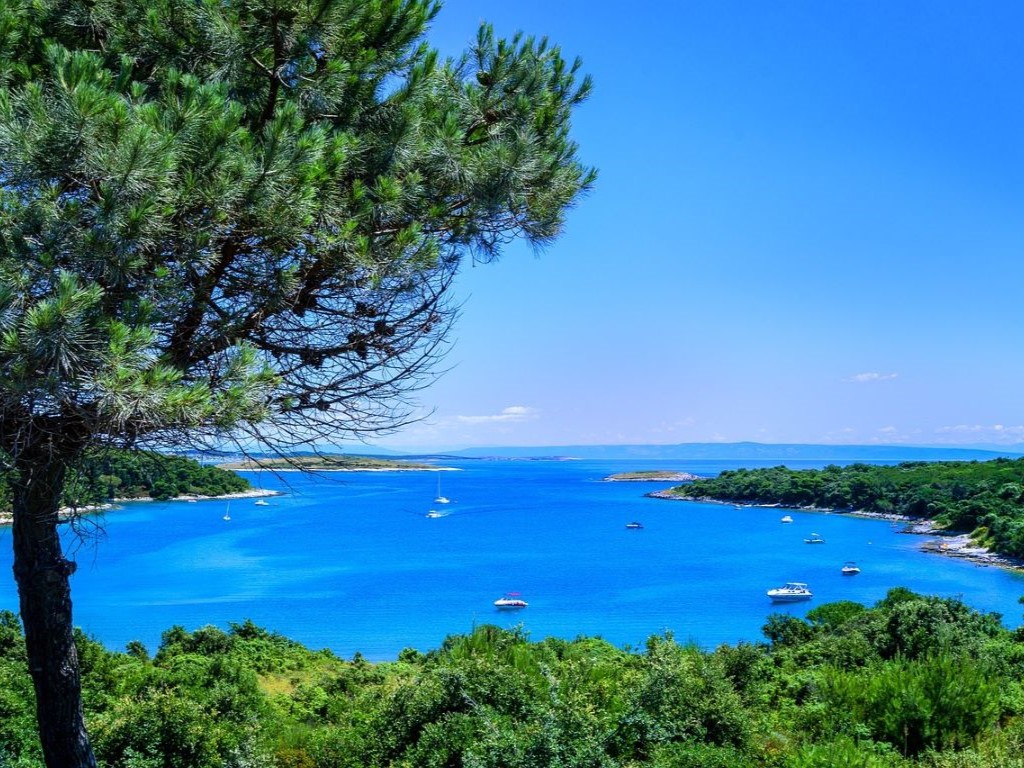
It is common knowledge that one has to go an extra mile to get to the most beautiful beaches, and the same goes for Pula. There are numerous coves in its surroundings that hide some of the most beautiful beaches in Istria. On the way, you will have a fair share of roundabouts (another symbol of the city 😉) – but trust us, once you reach the sea, you will see that the drive was worth it.
- Hawaii beach – A small cove with a pebble part, surrounded by rocks. It is very popular, so it is crowded at all times of the day, except early in the morning.
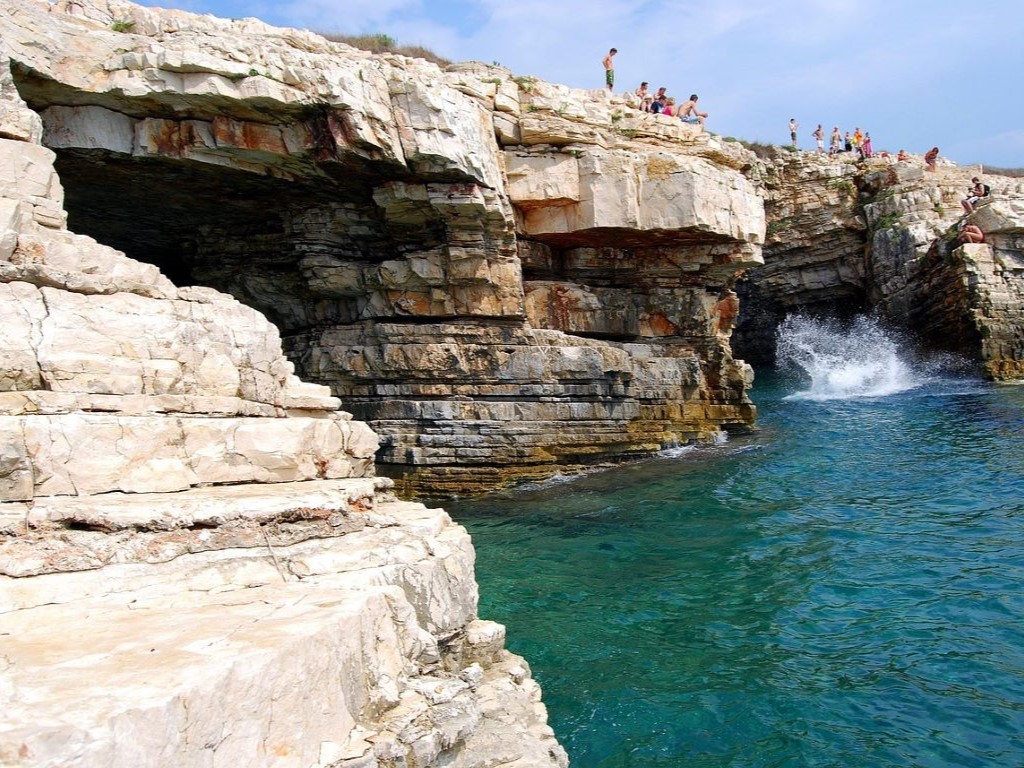
- Valkane – A public beach with a concrete and pebble section, has a large pier for sunbathing and jumping. The entrance to the sea is accessible, there is shade in some parts. There is a bar at the beach.
- Histria – A pebble beach near the Histria Hotel, on one side of the beach there are rocks. There are sunbeds and umbrellas and a small bar that is open in the high season.
- Njive, Radovica (Cape Kamenjak) – Two pebble coves with turquoise waters. Each has a beach bar – near Radovica is the popular Safari Bar. Both have parking lots, but they are somewhat far away, so you will have to walk a bit (the terrain is rough, so bring good shoes).
- Pješčana Uvala – The main pebble beach in Pješčana Uvala with a sandy entrance to the sea. Great for families with children as there is shade. Along the beach there are restaurants and cafes.
- Bijeca (Medulin) – The only sandy beach in Istria. Shallow and accessible entrance to the sea, numerous water sports. Ideal for families with small children.
What is the Culture and Nightlife Like in Pula?
Alongside its cafés and clubs, Pula has two iconic open-air stages. The Arena itself is converted into a concert venue every summer, hosting local and international musicians under the stars, as well as the Pula Film Festival, Croatia’s oldest film festival.
The second stage is the former quarry Cave Romane.
We cover the season in Summer nights in Pula: concerts in the Pula Arena.
When is the best time to visit Pula?
Those in the know point to June and September: the sea and weather are already/still summery, while the city is calmer than in July and August.
Spring is special too. March and April temperatures are often close to June’s. If you’re in need of suggestions for what to do in Istria in Spring, check out guide Springtime in Istria.
What else near Pula is worth combining with the trip?
Pula makes a natural base for the wider south of Istria. Worth adding to the itinerary:
- Rovinj — a colourful harbour town about 40 minutes north, and convenient as a half-day trip.
- The Parenzana route — a former railway line that was turned into one of Istria’s best cycling trails.
- Fažana — the fishing village where boats leave for Brijuni, pairs perfectly with dinner on the shore.
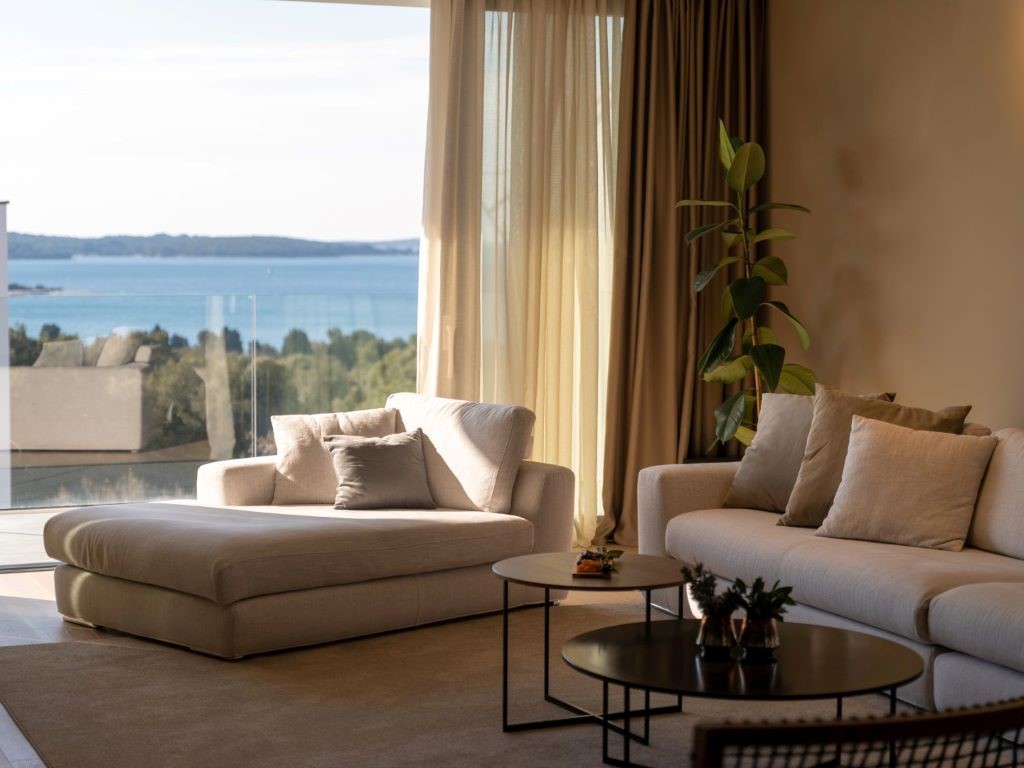
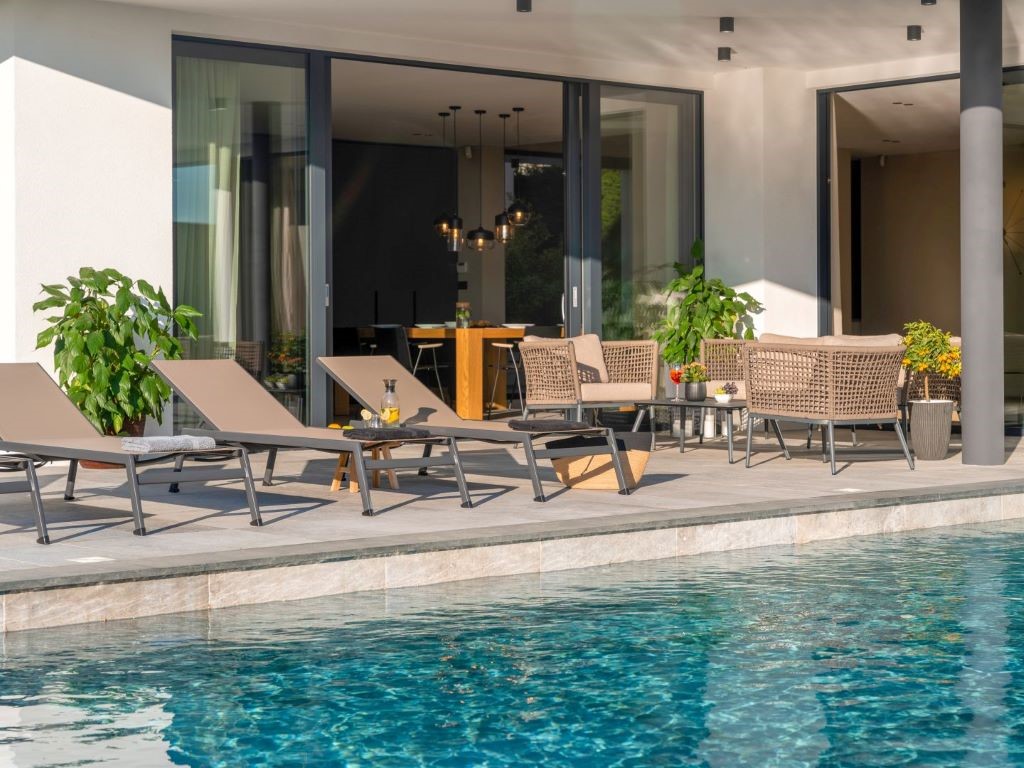
Villa Aruna, Pula
Where to stay
In Pula and its surroundings, you will find modern holiday homes and apartments. Most of them are located near the city center, while some are located in more secluded areas. There are family villas that can accommodate up to 10 people, as well as smaller apartments ideal for couples. Almost every villa has a private pool and/or jacuzzi. Some vacation homes also allow pets.
If you liked what you read, our work here is done. All you have to do now is contact us and arrange the last details of your holiday in Pula. We are looking forward to hearing from you!