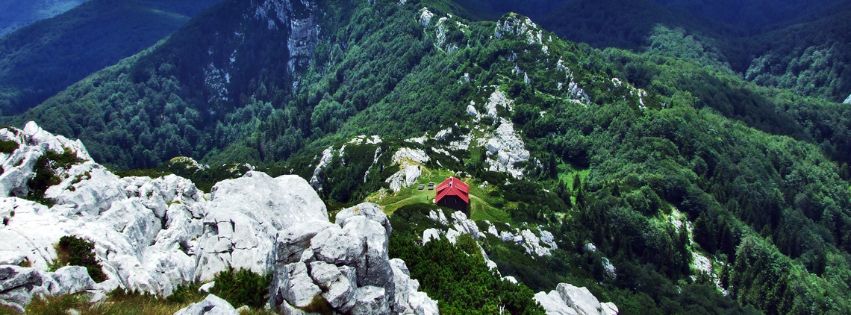
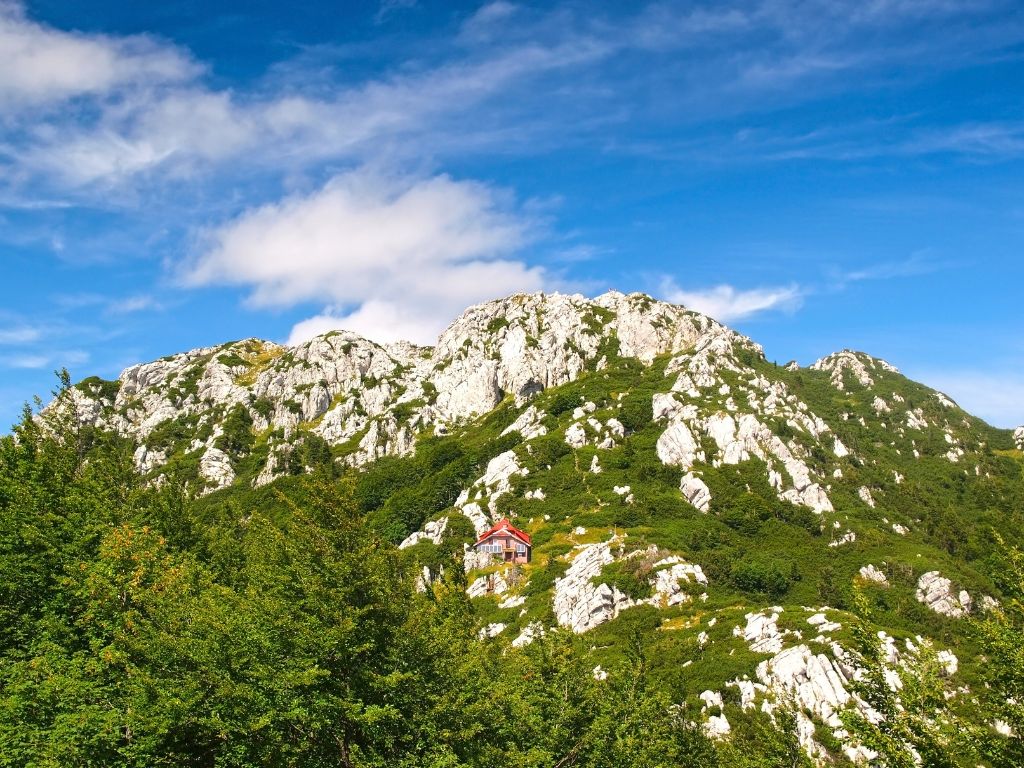
Today, we’re heading to the most forested part of Croatia to talk about Risnjak National Park. Located in Gorski Kotar, it covers an area of 63.5 km² and includes the central part of the Risnjak and Snježnik mountains, as well as the source and upper course of the Kupa River. The highest point in the park is the summit of Veliki Risnjak (1,528 m), while the lowest point is the Kupa Valley at 290 metres above sea level.
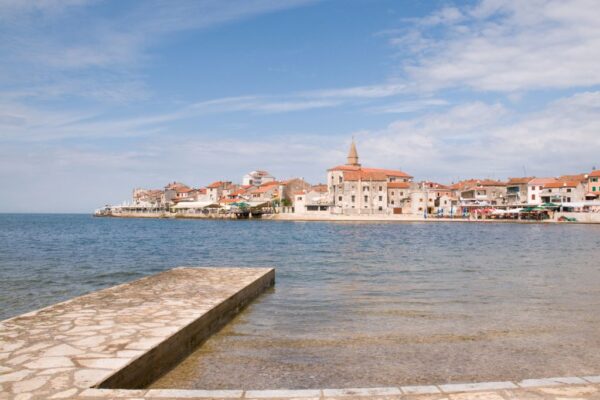
The park administration is located in Crni Lug, 12 kilometres from Delnice, around 40 kilometres from the coastal city of Rijeka, and approximately 130 kilometres from Zagreb. Its proximity to both the coast and the continental interior makes Risnjak a special place where Mediterranean and continental influences meet. If you look at the map, you’ll see that Risnjak is also a natural link between the Alps and the Dinaric Alps.
What to see in Risnjak National Park
You don’t have to explore Risnjak in a single day. The park administration recommends leaving the mountain summits to experienced hikers, while nature lovers and recreational walkers can visit the source of the Kupa River or follow the Leska Educational Trail. Here’s what you can expect at each of these locations.
Leska Educational Trail
The best introduction is the Leska Educational Trail. It starts near the administration building in Crni Lug and follows a circular route 4.2 kilometres long, with only gentle climbs. Information panels in Croatian and English are placed along the trail.
The well of the Kupa river
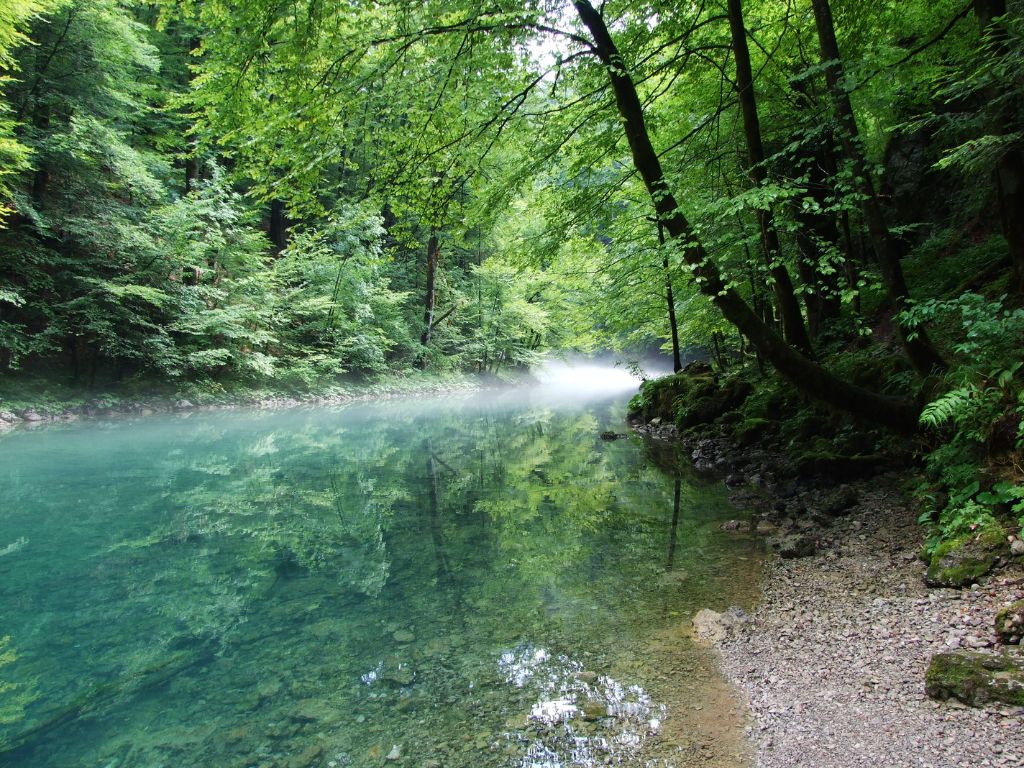
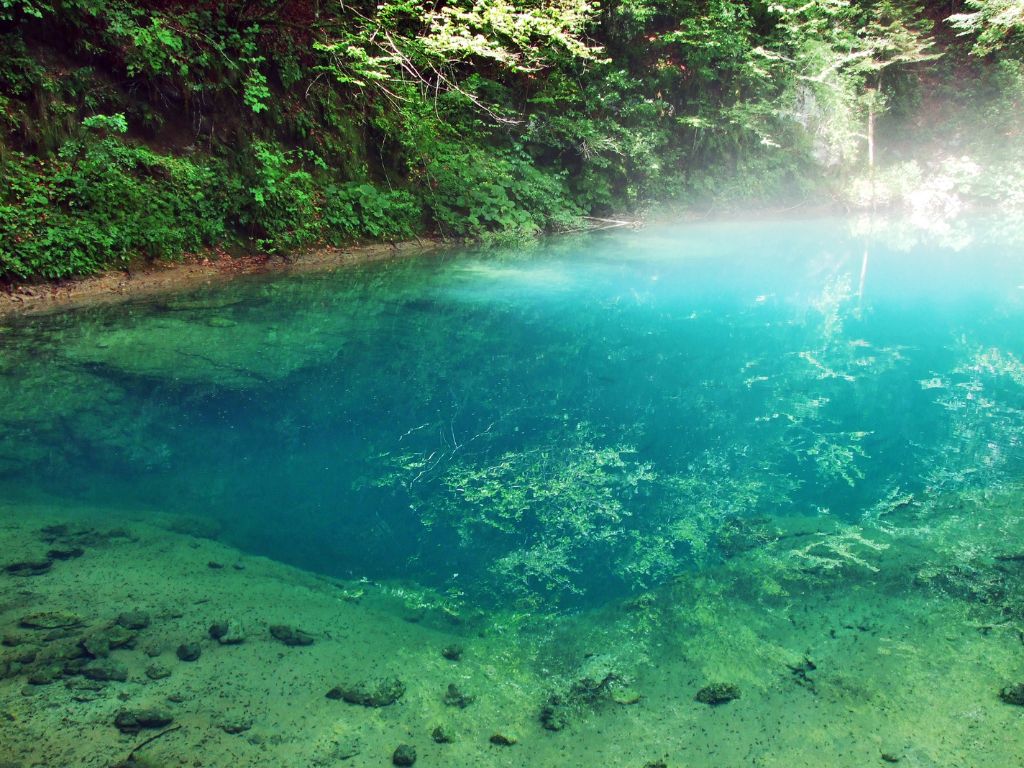
The the Kupa River spring looks like a turquoise lake. Thanks to the richness of its plant and animal life, the upper course of the Kupa is also known as the Valley of Butterflies. Two trails lead to the source:
- From the Razloge village: This 1,820-metre trail descends 229 metres, initially gently and then more steeply through the Krašićevica Canyon. The canyon is passable for most of the year, but heavy rain or melting snow can cause the water level to rise, making it an obstacle. The descent takes around 35 minutes, while the return along the same trail takes about 50 minutes. A narrow asphalt road leads to Razloge, and the trail is rated as moderately difficult.
- From the Hrvatsko village: This easy 4,850-metre trail starts on the left bank of the river. The first section, all the way to the village of Kupari, follows the river. From Kupari, a gravel road passes through the hamlets of Kupari Srednji and Kupari Gornji. The birthplace of the Kupa River is located in Gornji Kupari. The trail then continues straight across a meadow before crossing the Sušica Canyon (which can also occasionally flood). A footbridge takes you onward to the source.
Veliki Risnjak and Snježnik
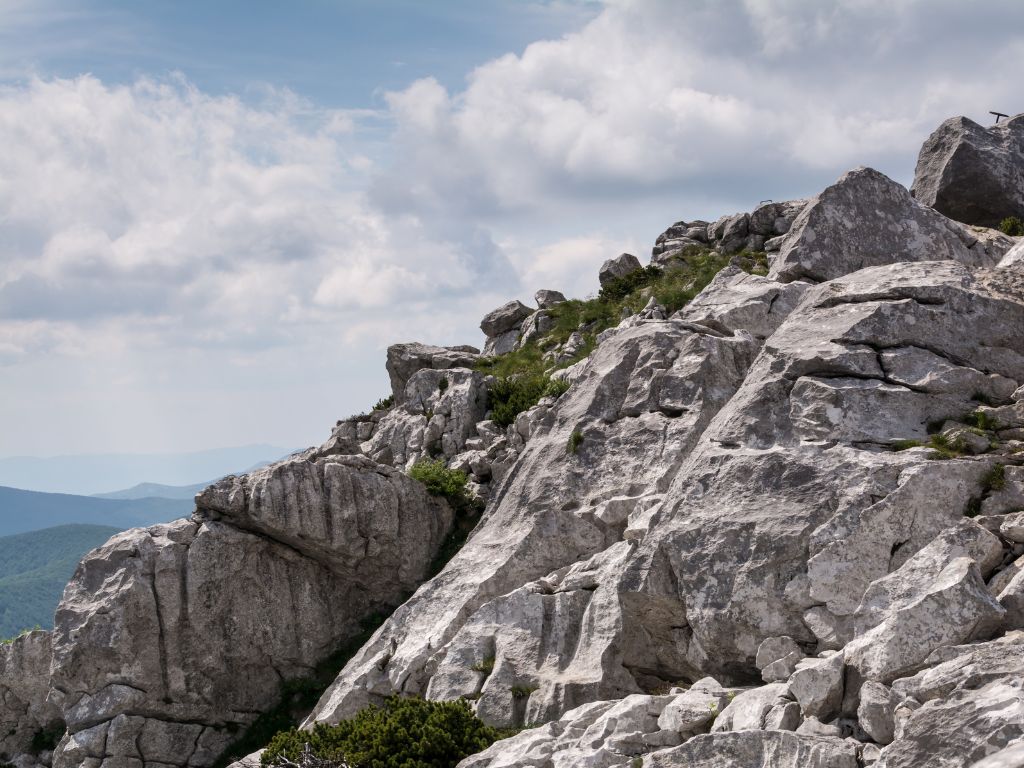
For hikers, the main goal is the summit of Veliki Risnjak. On a sunny day, the view from Risnjak stretches across the Kvarner Bay, the Alps, Bjelolasica and Velebit. It is important to note that the Schlosser Mountain Hut (Schlosserov dom), at 1,418 metres, is currently being renovated and is closed. Plan your ascent without relying on the hut, and make sure to bring enough water and food.
Its neighbour is Snježnik (1,506 m). From Platak, it takes around an hour to walk to the summit. The easiest route is via Greben, returning along the trail through Grlo. If you have a full day and set off early, the park administration recommends visiting both peaks. The colourful Lazac meadow lies between them. Read more about the trails to Risnjak and Snježnik on the Park’s website.
Flora and fauna
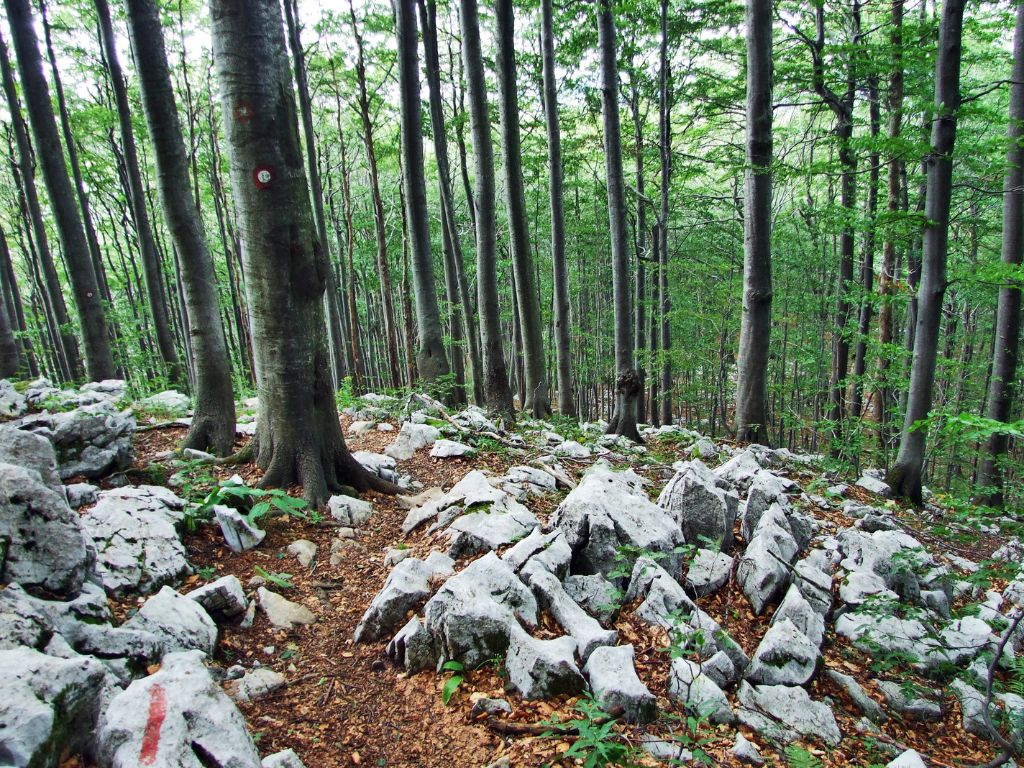
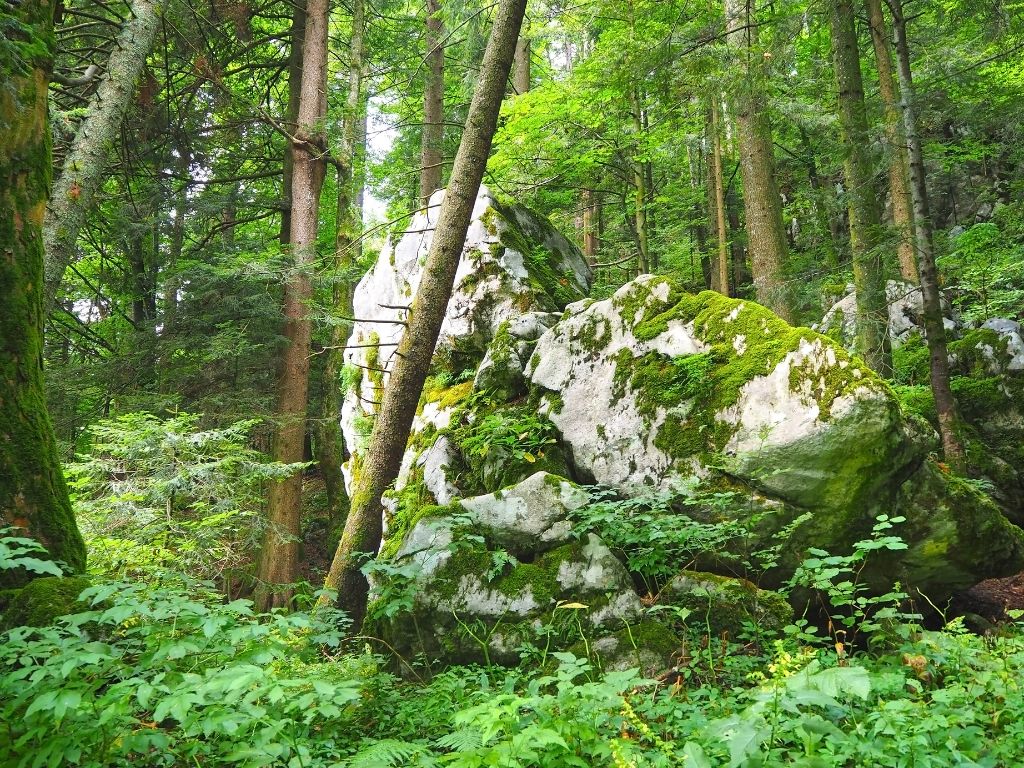
Forests cover as much as 92% of the park’s area. From the Kupa Valley to the peaks of Risnjak and Snježnik, 16 different forest communities have developed. Some of these forests have never been logged. So far, 1,148 plant species and subspecies have been recorded in the park.
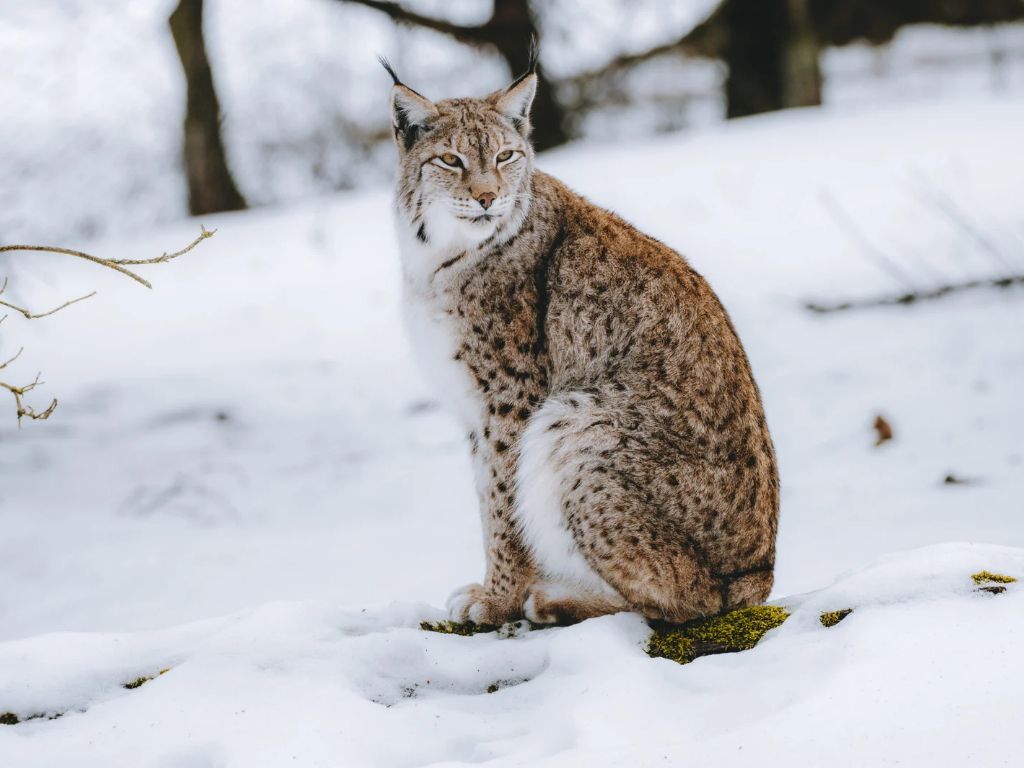
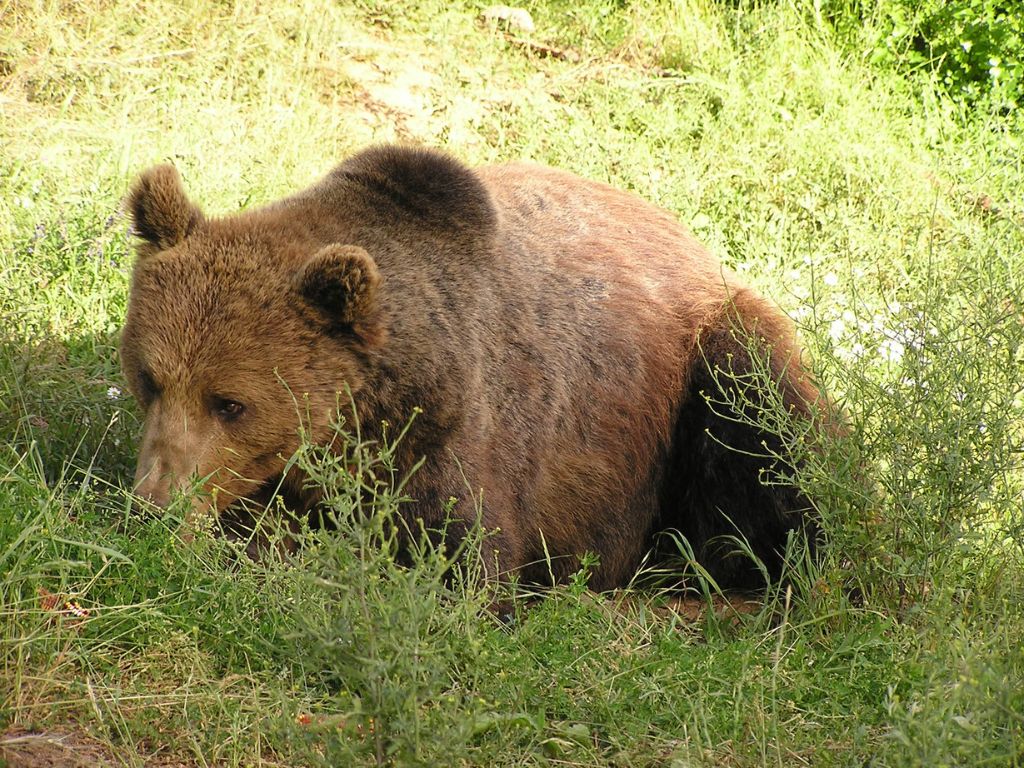
Risnjak is one of the few places in Europe where all three of the continent’s large carnivores live in their natural habitat: the brown bear, wolf and lynx. Two wolf packs are monitored in and around the park. You’re unlikely to encounter these animals, but the park also offers guided wildlife-watching programmes, including chamois watching, upon prior arrangement.
Visitor information
Tickets and opening hours
The main entrance and park administration are located in Crni Lug, 12 kilometres from Delnice, where the Leska Trail also begins. Ticket prices depend on the time of year. For 2026, they are as follows:
- Adults: €8 from 1 March to 30 June and from 1 September to 31 December, or €11 from 1 July to 31 August
- Students: €6 outside the peak season, or €8 in July and August
- Family ticket: €16 outside the peak season, or €21 in July and August
- Children under 7: Free of charge
Your ticket is valid for two days and includes the source of the Kupa, Leska, Risnjak and Snježnik, so keep it with you throughout your visit to the park. If you’d like to explore the Leska Trail with a guide, the price is €60, while a guided tour to the source of the Kupa, Vilje or Risnjak costs €80. Check the price list before your visit. You can also buy tickets in advance through the Parks of Croatia online shop.
When to visit Risnjak
In spring, nature awakens and the meadows burst into colour with wildflowers. In summer, the forest shade offers a pleasant escape from the heat, making a mountain break a great way to refresh your holiday. In autumn, the forest landscape fills with colour and fragrance, while the Leska Trail remains accessible through much of the winter. For most visitors, the favourite time to come is from late spring to autumn. If you’re planning to climb the peaks, late spring and summer are definitely the best choices. Always check the weather forecast before setting off. Ascents are recommended only for experienced hikers. Read more about hiking safety tips.
What to bring
The most important things are appropriate clothing and footwear, enough water and some food. Some visitors may find sports trainers sufficient for the Leska Trail, but for an ascent of Risnjak or Snježnik you’ll need hiking boots, proper equipment and an extra layer of clothing.
Rules of conduct
Visitors may walk only on marked trails and in areas designated for sightseeing. Respect the peace and quiet of wildlife, do not leave litter behind, and do not take anything from nature.
Where to stay
There is plenty of villas in the wider surrounding area. If you’d like to enjoy both the mountains and the sea, the best option is to stay at one of the Kvarner villas. You can reach Risnjak from there in approximately an hour by car.
Enjoy a good rest over the winter, then get your hiking boots ready and we’ll see you at Risnjak National Park when the weather gets warmer. 😊