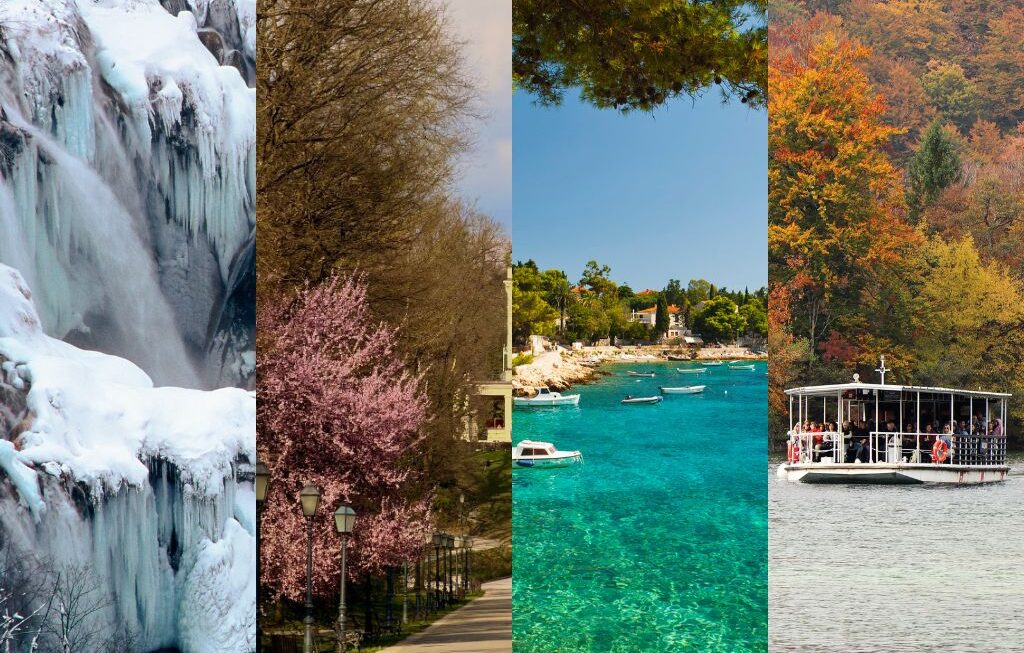
If Croatia were one of the US states, it would rank 42nd out of 50, it would be the 9th smallest state (just between West Virginia and Maryland). Croatia covers 56,561 km².
So how is it possible that within a few hours you can go from short sleeves, to a light jacket, to a swimsuit, if you drive toward the coast on the A1 motorway? Temperature in Croatia depends on the region and the season.
The main feature of Croatia’s geography is its diverse terrain. Within such a small area you will find plains, mountains, and sea. This terrain also shapes the climate, so weather conditions can differ significantly depending on the region you are passing through.
Considering the regions, we distinguish three types of climate in Croatia:
- Continental Croatia with a continental climate
- Mountainous Croatia with a mountain climate
- Adriatic Croatia with a Mediterranean climate
Below we bring an overview of average air temperature by month in each region, along with a few interesting facts about the climate in Croatia.
Climate and temperature in Croatia by season and month
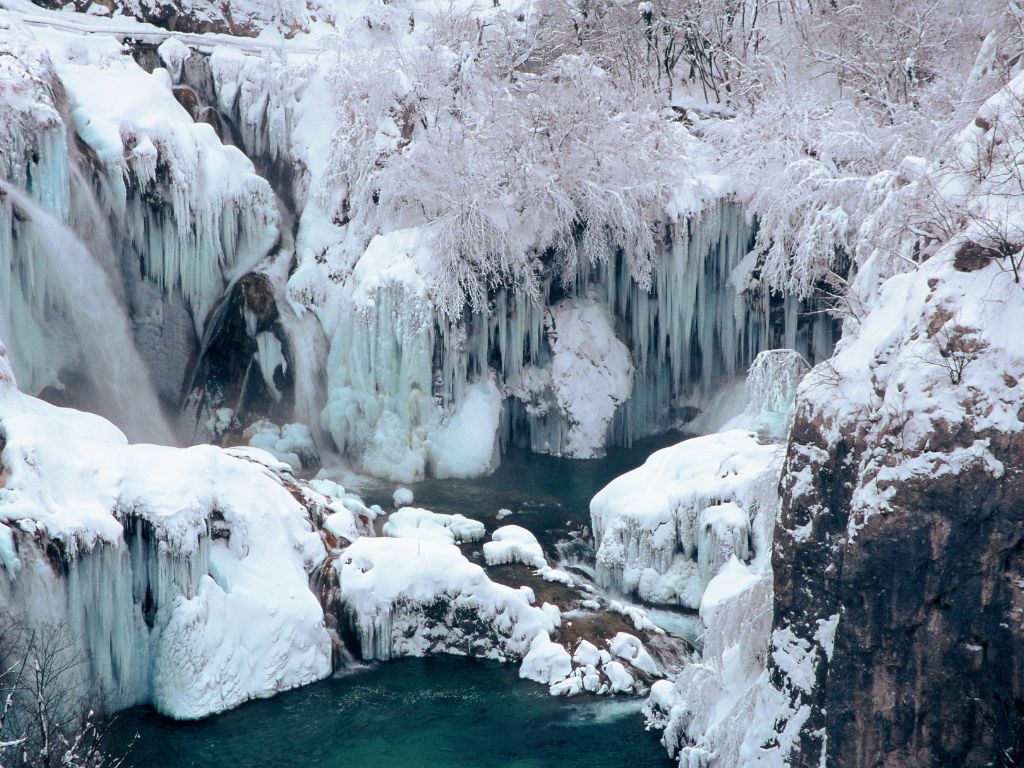
Winter in Croatia
Continental Croatia has cold winters, with an average temperature of 0 to 3°C, while winters on the coast are milder, averaging 8 to 12°C. In mountainous Croatia winters are much harsher than in the rest of the country, and temperatures drop below zero. The lowest temperature ever recorded in Croatia was -34.6°C, measured in 2003 in Croatian mountains.
The coldest month of the year is January. In continental and mountainous Croatia you get frequent rain or snow. Snow has become less frequent in the continental part of Croatia recently but it is common in the mountains. Days are often sunny on the coast.
Air temperature on the coast rarely drops below 5°C even in winter, but the bura wind often blows, which makes the temperature feel lower than it actually is.
December
- Continental: 2 to 6°C
- Mountains: minus 1 to 4°C
- Adriatic: 8 to 12°C
January
- Continental: 0 to 3°C
- Mountains: minus 3 to 1°C
- Adriatic: 7 to 11°C
February
- Continental: 2 to 5°C
- Mountains: minus 1 to 3°C
- Adriatic: 8 to 12°C
If you are travelling outside the main season, take a look at our list of villas with indoor pool in Croatia, especially if you want to swim regardless of the weather conditions.

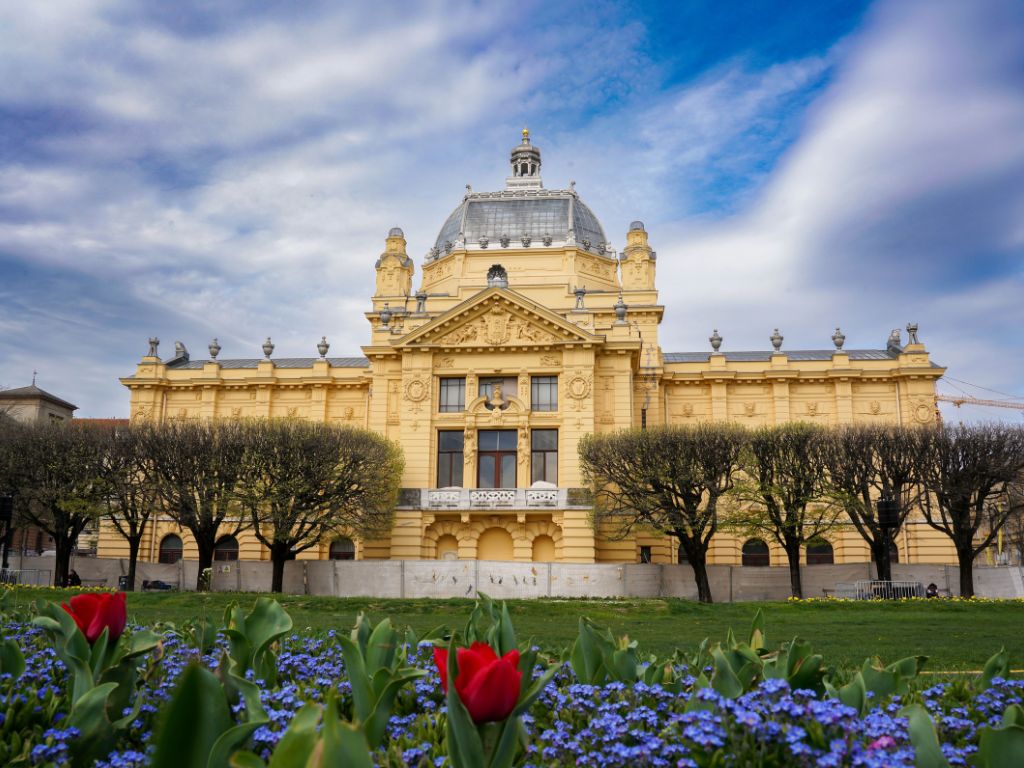
Spring in Croatia
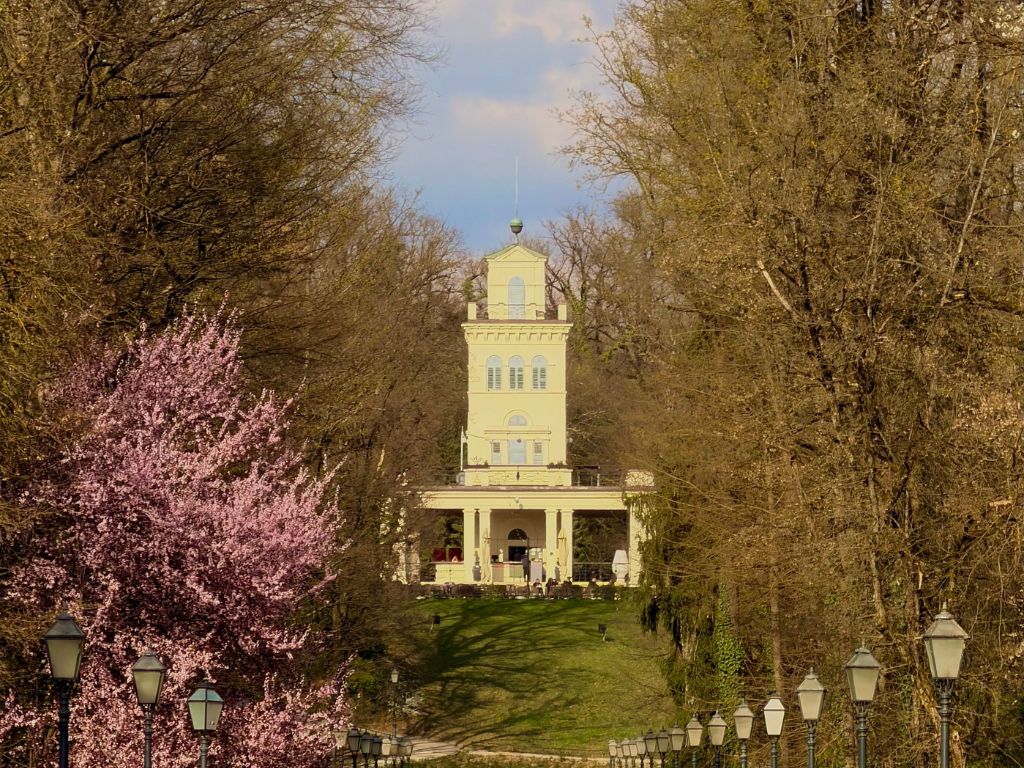
Spring weather tends to be quite unpredictable. Average temperature in the continental region is 10 to 20°C, while on the coast it is somewhat higher, 14 to 23°C.
In the continental region it can warm up suddenly, with temperatures already rising to 20°C in March and April, but nights and mornings stay cold (frost is common in the morning). It often happens that all four seasons occur within a single day. In mountainous Croatia spring arrives a bit later, and snow can remain in some areas until April. Spring months on the Adriatic are sunny and pleasant, but the sea is still cold for swimming. However, some people commit to opening the swimming season on the first of May, regardless of the weather.
In folk meteorology the so called ice saints are well known, celebrated from the 11th to the 15th of May. During this period the weather can suddenly turn colder and bring frost, and in some places even snow.
March
- Continental: 7 to 12°C
- Mountains: 4 to 8°C
- Adriatic: 12 to 15°C
April
- Continental: 12 to 18°C
- Mountains: 8 to 14°C
- Adriatic: 16 to 19°C
May
- Continental: 18 to 23°C
- Mountains: 14 to 19°C
- Adriatic: 21 to 24°C
Summer in Croatia
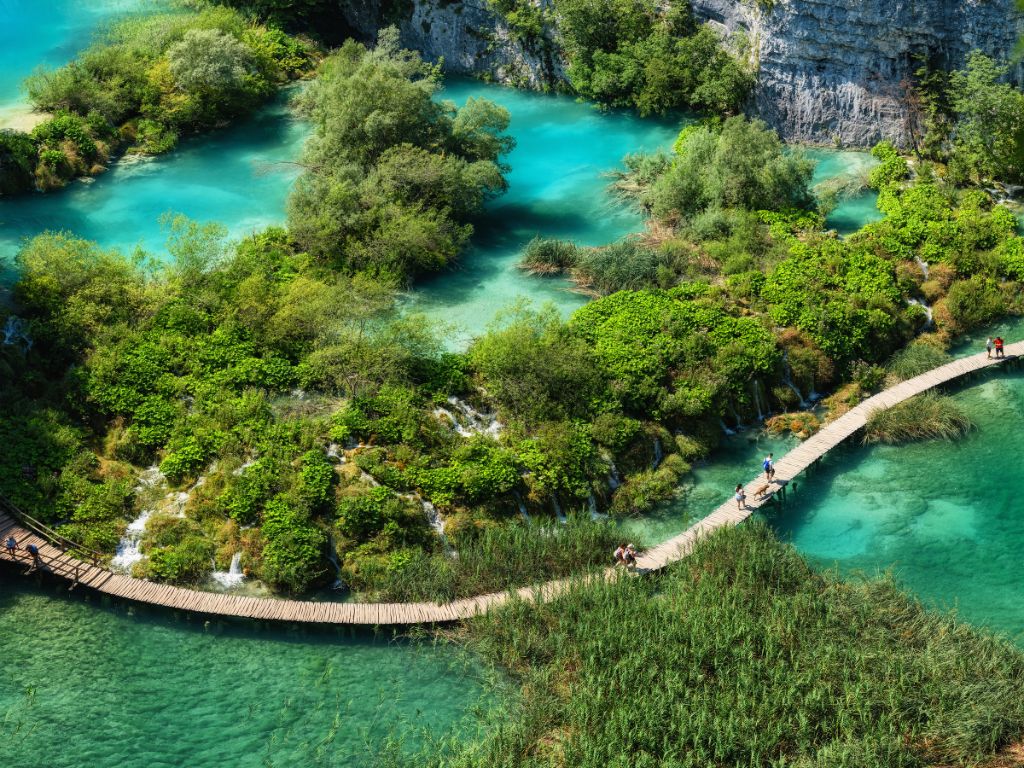
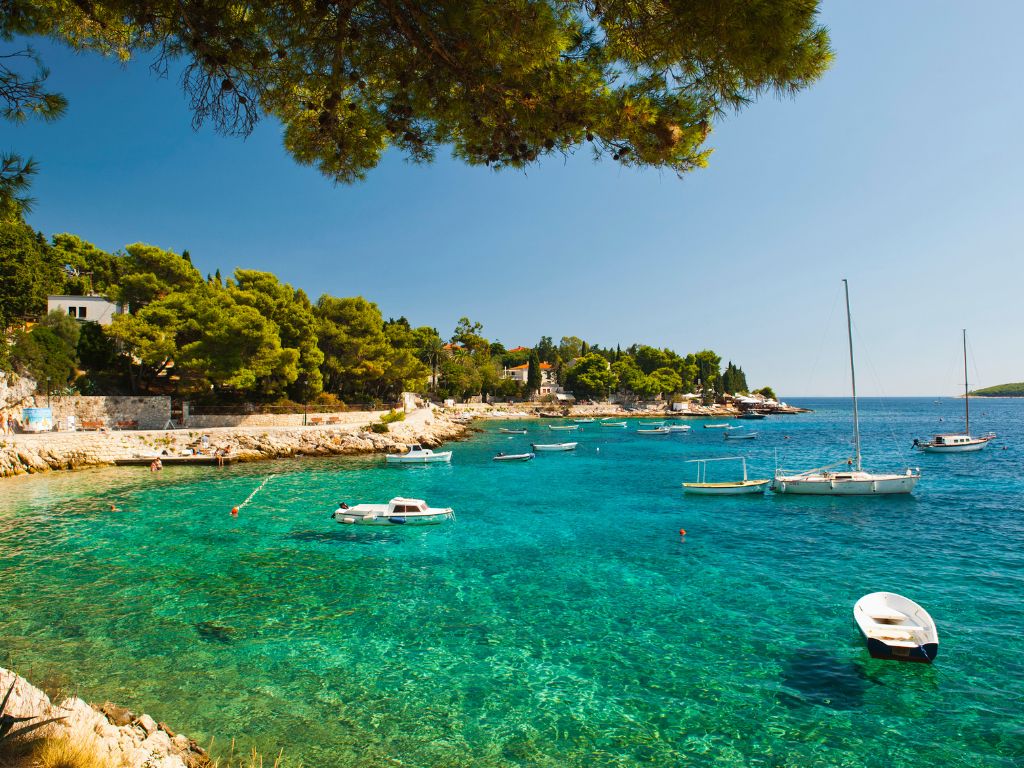
Summers in the continental region are dry and hot, with an average temperature of 25 to 30°C, while at the coast temperatures reach up to 32°C. Heatwaves are common and have recently exceeded 35°C. In the mountains, thanks to the altitude, summers are milder, with lower and more pleasant temperatures.
The hottest month of the year is July, when temperatures are high and humidity intense. August holds the second place, since it is somewhat more bearable, and can surprise with slightly lower temperatures. Temperatures in cities in summer are noticeably higher than for example in lowland settlements or in the mountains, where cooler nights provide relief. The highest summer temperatures in Croatia are recorded in the Dalmatian hinterland, and among cities in Split (Spalato in Italian). The highest temperature ever measured in Croatia was 42.8°C. This happened in 1981 in Ploče (Dalmatia).
Although coastal temperatures in summer are higher than inland, the heat is easier to bear thanks to the combination of sea and wind.
June
- Continental: 22 to 27°C
- Mountains: 18 to 23°C
- Adriatic: 25 to 28°C
July
- Continental: 25 to 30°C
- Mountains: 20 to 25°C
- Adriatic: 28 to 32°C
August
- Continental: 25 to 31°C
- Mountains: 20 to 26°C
- Adriatic: 28 to 33°C
To cool the hot summer days, explore our guide to sandy beaches in Croatia, and if you prefer privacy, check out tips for choosing the ideal villa with a pool for your holiday.
Autumn in Croatia
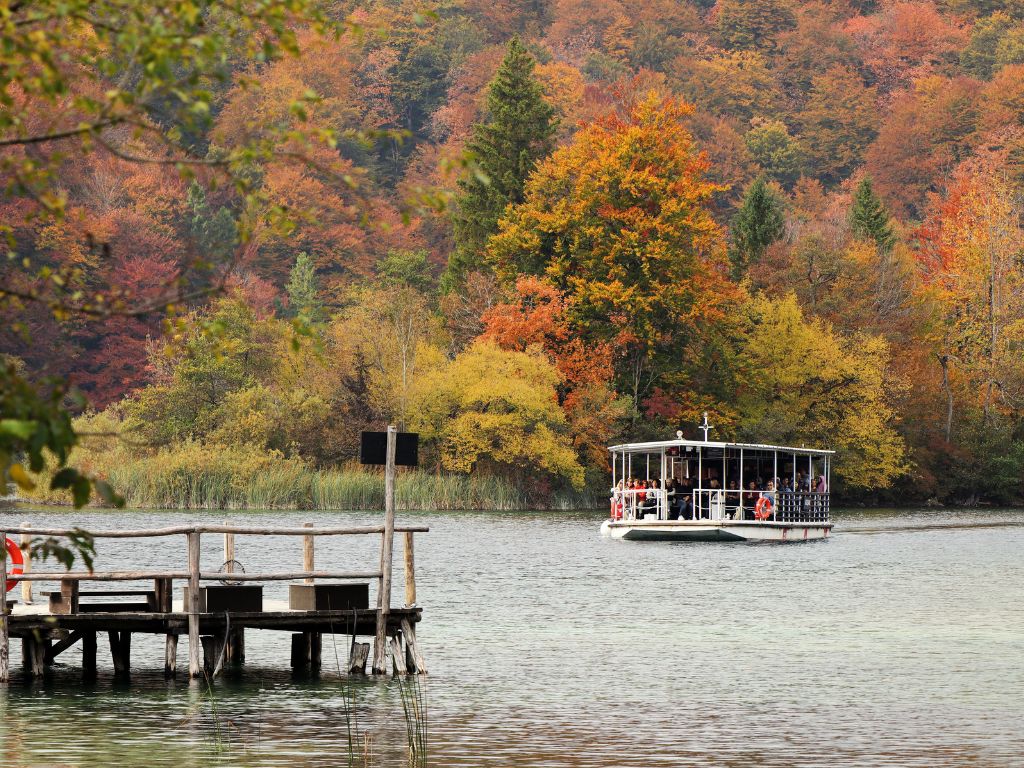
Autumn is one of the most rewarding and beautiful seasons when it comes to weather. Lately September is considered an extension of summer, so daytime temperatures can reach up to 30°C. Still, since September meteorologically belongs to autumn, it can get chilly out of nowhere. The temperature can drop to as low as 10°C.
Autumn in the continental region is characterized by fog and rain. The weather mostly stays warm and sunny until November on the coast. Cold weather arrives much faster in the mountains, already in October, when the first frost is possible. The first snow is usually reserved for November.
Warm weather can sometimes linger until October on the coast. It extends the swimming season into late autumn. This phenomenon is known among locals as bablje ljeto (old woman’s summer), and refers to the warm period after the 29th of September.
September
- Continental: 20 to 25°C
- Mountains: 15 to 20°C
- Adriatic: 23 to 27°C
October
- Continental: 14 to 18°C
- Mountains: 9 to 14°C
- Adriatic: 18 to 22°C
November
- Continental: 7 to 12°C
- Mountains: 4 to 9°C
- Adriatic: 13 to 17°C
What is the best time to visit Croatia?
We can conclude that weather conditions in Croatia are favourable throughout almost the entire year, so the choice really depends on you. Spring and autumn are ideal for outdoor excursions and for those who want to avoid the biggest crowds. Summer is the right choice if you want reliably warm weather and a lots of available activities, while winter is ideal for a peaceful and relaxed holiday. For the complete experience, choose a villa in one of Croatia’s regions and take home beautiful memories from an even more beautiful Croatia.
Frequently asked questions about the climate in Croatia
What is the hottest month in Croatia?
The hottest month in Croatia is July, when temperatures on the Adriatic reach up to 32°C, and inland up to 30°C. The highest temperature ever measured in Croatia was 42.8°C. This happened in 1981 in Ploče (Dalmatia).
What is the coldest month in Croatia?
The coldest month in Croatia is January, when continental temperatures range from 0 to 3°C, and in the mountains they can stay below 0°C for days. The lowest temperature ever recorded in Croatia was -34.6°C, measured in 2003 in Croatian mountains.
What is the coastal climate like in Croatia in summer?
On the Adriatic, average summer temperatures range from 25 to 33°C, but the heat is easier to bear thanks to the sea and wind.
What is the best season to visit Croatia?
Spring and autumn are suitable for outdoor excursions without crowds, summer for warm weather and a lots of available activities, and winter for a peaceful holiday.
Can you swim in Croatia in autumn?
Why not, warm weather sometimes lasts until October on the coast.