
Croatia is one of the most beautiful holiday destinations in Europe (if I may say so myself), and there’s zero reasons to not let your dog have some fun too, and see national parks, enjoy the sun and the sea and go on walks, many manyyy walks.
Preparing to travel with a pet can be stressful: what are the rules? are dogs allowed in national parks? What paperwork does my dog need to cross a border? Are there ticks in Croatia?
Croatia is one of Europe’s most rewarding dog-friendly destinations. It has a long coastline, pine-scented promenades, and a growing number of pet-friendly villas built with pets in mind. But just like any other trip, this one requires preparation as well. We’ll go over the basics to help you start planning.
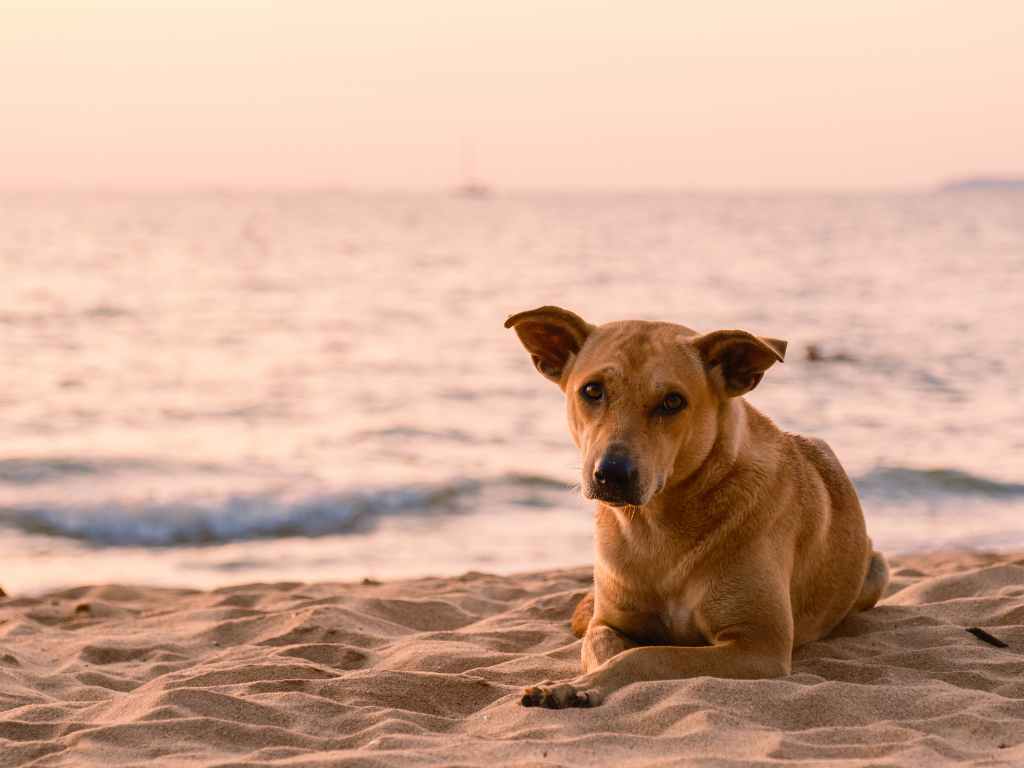
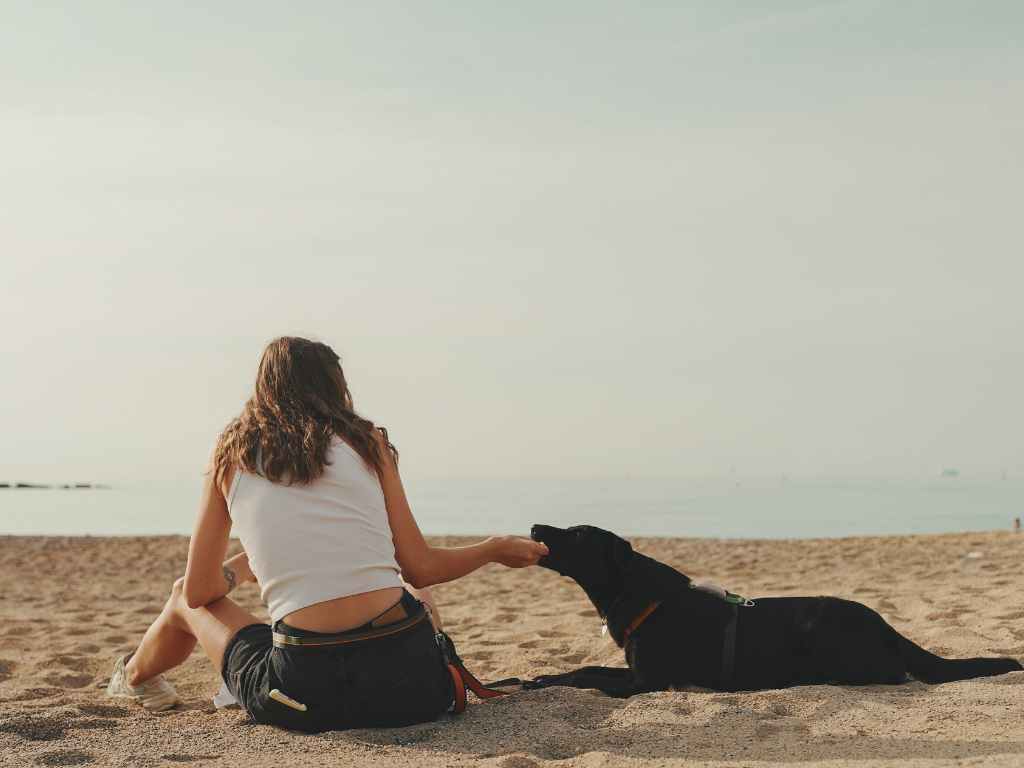
Entry requirements: documents your dog needs
Before you even pack the car, make sure your dog’s paperwork is in order. Croatia is an EU member state, so the rules follow the EU Pet Travel Scheme.
What your dog needs to enter Croatia
Here is a quick overview:
- Microchip – Your dog must be microchipped with an ISO-compliant chip (ISO 11784/11785). Importantly, the microchip must be implanted before the rabies vaccination.
- Valid rabies vaccination – Your dog must be vaccinated against rabies. The vaccine can only be administered once the microchip is in place. You must wait at least 21 days after the first vaccination before traveling. The vaccination must remain valid throughout your stay.
- EU Pet Passport – For travelers from EU countries, the pet passport serves as the official travel document, combining proof of microchip and vaccination in one booklet. It is issued by a licensed veterinarian.
- Non-EU travelers – If you are traveling from outside the EU (for example, from the UK or Switzerland), you will need an official Animal Health Certificate instead of an EU Pet Passport. Check the requirements with your national veterinary authority well in advance, as processing times can vary.
Make sure to check out the official government issued guidelines for travelling to Croatia with pets and movement of pets.
We recommend visiting your vet at least four to six weeks before your departure to make sure everything is up to date. Also, put your phone number on your dog’s collar – in case they ever wander off, it makes all the difference.

Getting to Croatia: travel logistics
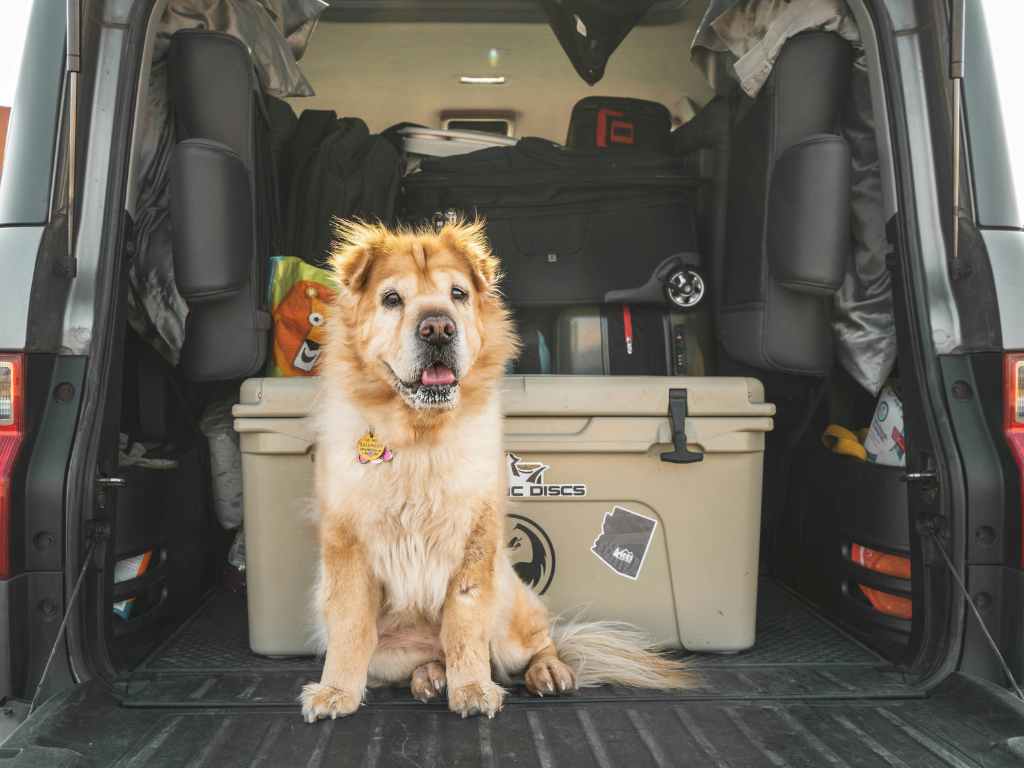
Now that you have sorted the scary paperwork requirements, it’s time to do logistics! Many of you travel to Croatia by car, which is the most convenient option when you have a dog. You’re on the right track already.
Btw, if you want a reset after this data heavy blog post, check our general tips for traveling with your dog.
Back to travel logistics. Here’s what to keep in mind.
By car
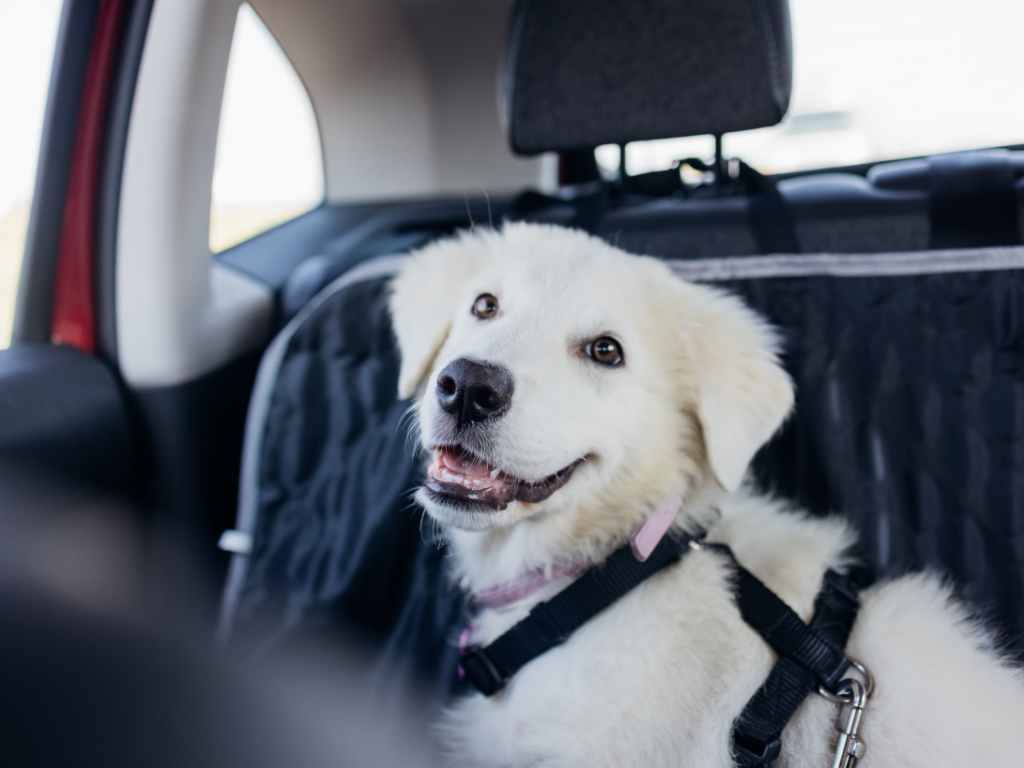
Dogs must be safely secured during the journey. A transport crate, a dog harness with a seatbelt attachment, or a car barrier are all suitable options. On motorways in particular, proper restraint is required by law.
Plan regular rest stops every two hours or so – your dog will need to stretch their legs, drink some water, and do their business.
Never leave your dog alone in a parked car, especially in summer. Temperatures in Croatian coastal areas regularly exceed 30°C (86F). Your car can heat up to dangerous levels in minutes, even if you leave it in partial shade.
By ferry
If your travel plans include island hopping or reaching destinations by sea, you’ll likely travel with Jadrolinija, Croatia’s main ferry operator. The rules are straightforward:
- Dogs are allowed on regular car ferries free of charge. They must be on a leash and wear a muzzle (guide dogs are exempt).
- On catamarans and fast ferries, only dogs weighing up to 8 kg are allowed, and only in an approved travel bag (max. 45 × 35 × 25 cm). Larger dogs cannot board fast ferries, so plan your island routes accordingly.
Always check the timetable and any updated rules on the Jadrolinija website before booking your route.

Where your dog is welcome in Croatia
Croatia is generally a dog-friendly country, though it’s good to know the rules before heading to the beach or a national park.
Beaches
Many beaches in Croatia allow dogs, particularly outside the peak summer months. During July and August, most main bathing beaches introduce seasonal restrictions, and dogs may be prohibited during certain hours or altogether. The good news is there are lots of designated dog-friendly beaches along the coast. You can find their locations on the interactive map of pet-friendly beaches in Croatia and check out our list of the best dog-friendly beaches.
As a general rule: go early in the morning, keep your dog on a leash near other beachgoers, and always clean up after them.
National parks
Croatia’s national parks are spectacular, and your dog can visit them too, as long as both of you follow the rules. Yes, rules again.
- Plitvice Lakes – Dogs are allowed in the park on a leash. They cannot swim in the lakes. Given the boardwalks and crowds in high season, the park is better suited to calm dogs who are comfortable around people.
- Krka National Park – Dogs are welcome on a leash. Note that dogs are not permitted on Visovac Island, and a muzzle is required when traveling on the park’s shuttle buses and boats.
Most other Croatian national parks also permit dogs on leashes, though rules vary by park. Always check the specific park’s website before visiting.
Towns, promenades and hiking trails
Most coastal towns in Croatia are easily walkable with a dog. The seaside promenades (called riva) that run through towns like Rovinj, Zadar, and Novigrad are perfect for an evening stroll with your dog. Inland areas and forests offer excellent hiking trails, though keep an eye out for ticks in wooded areas (more on that below).
When dining out, a good rule of thumb is to stick to outdoor dining areas, since the rules about bringing your dog to the inside restaurant vary a lot.

Dog health and safety in Croatia
Ticks
Unfortunately for your dog, Croatia does have a significant tick population, especially in forests and grassy areas. Before your trip, consult your vet about tick prevention. Good news is that there are many prevention options to consider: spot-on treatments, tick collars, or oral preventatives. Check your dog for ticks after every walk in nature, and pay close attention to ears, paws, and under the collar.
Heat
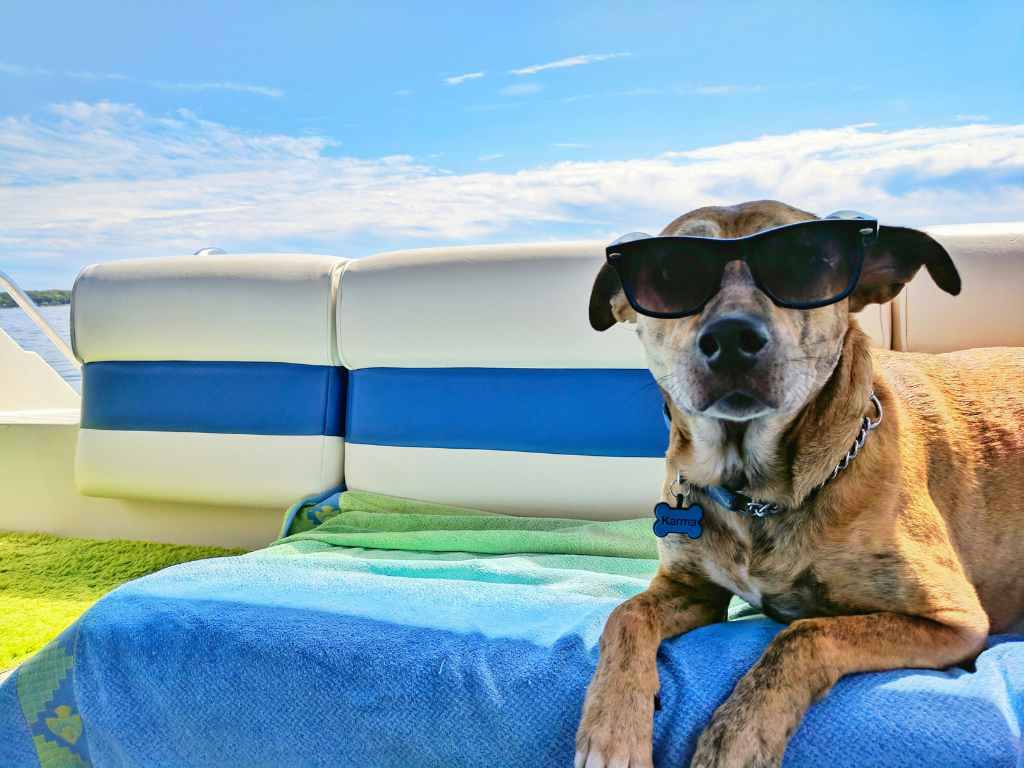
Summer in Croatia is hot. Coastal temperatures regularly climb above 30°C (86F), and the sun is intense. Walk your dog in the early morning or after sunset, carry plenty of water, and watch for signs of overheating: excessive panting, drooling, weakness, or confusion. If you suspect heatstroke, cool your dog down with water immediately and seek veterinary help.
Finding a vet
We hope you won’t need a veterinarian but it is good to know where to find one. Larger towns and cities along the coast all have veterinary practices. In major tourist areas such as Poreč, Rovinj, Pula, Zadar, and Split, you will find vets who are accustomed to seeing pets traveling with foreign visitors. Before your trip, look up the nearest vet clinic to your accommodation and note their emergency contact number – just in case. Try considering travel insurance that includes veterinary coverage, especially for longer stays.

Villa Stancija Katarina di Maladel*****, Istria – ideal for a dog holiday thanks to the large garden
Choosing the right accommodation
Your choice of accommodation can make or break a dog-friendly holiday. The good news is that Croatia – and Istria in particular – has excellent options.
Pet-friendly villas are the ideal base for a vacation with a dog. They offer large enclosed gardens for your dog to play while you unwind in the swimming pool, jacuzzi or on the sunny terrace. Living the dream!
What to pack for your dog
Almost done, let’s go over the most important parts once again. A well-packed bag will save you a lot of stress on the road. Here’s a quick checklist:
- EU Pet Passport or Animal Health Certificate and vaccination records
- Collar with an ID tag (including your mobile number)
- Leash – and a muzzle for ferry travel and national park transports
- Enough food from home for the entire trip (avoid switching brands mid-holiday)
- Portable water bowl and plenty of fresh water for the journey
- Dog bed or a familiar blanket to help them settle in
- A favorite toy
- Poop bags
- Tick prevention treatment (applied before departure)
- Basic first aid supplies: bandages, antiseptic, any regular medications
Ready to go?
Traveling to Croatia with your dog takes a bit of preparation, but it’s absolutely worth it. Croatia offers a remarkable combination of beautiful nature, and a relaxed, outdoor-oriented culture that will perfectly suit you and your dog. Just do it, get the paperwork sorted, pack thoughtfully, and choose accommodation that makes your dog feel as welcome as they do you.
Croatia is waiting – for both of you.
Looking for a pet-friendly villa in Croatia? Browse our full selection and start planning your vacation.