You’ve made it to Croatia, unpacked your suitcases, the villa terrace is waiting, but there’s one question still nagging at you: Do I have enough cash on me? Do I even need cash on holiday?, and Can I just pay by card like at home? How much cash do I need for a week in Croatia? The answer is usually “it depends.”
Here’s what the data from the Croatian National Bank and the European Central Bank says.
Cards are everywhere, but cash isn’t giving up without a fight
If you last visited Croatia a few years ago, you’ll notice a change. HNB (Croatian National Bank) data shows that 853 million card transactions were carried out in 2024, and the number of cards in circulation climbed to 8.7 million. That’s twice as many cards as there are residents (and then some, but let’s not split hairs). In Croatia, roughly every fourth bill is now paid by card, and that share keeps growing year after year.
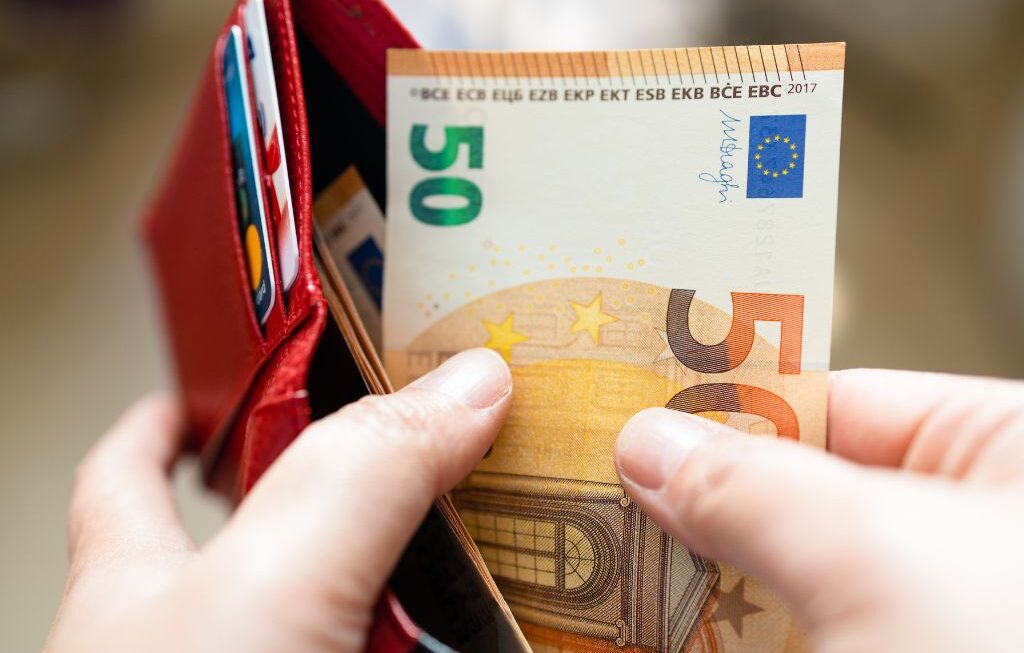
Cash isn’t giving up, though. According to the ECB’s study on payment attitudes (SPACE 2024), across the whole euro area cash is still used in 52% of all point-of-sale transactions by number. That’s down from 59% two years earlier, but still the single most common method.
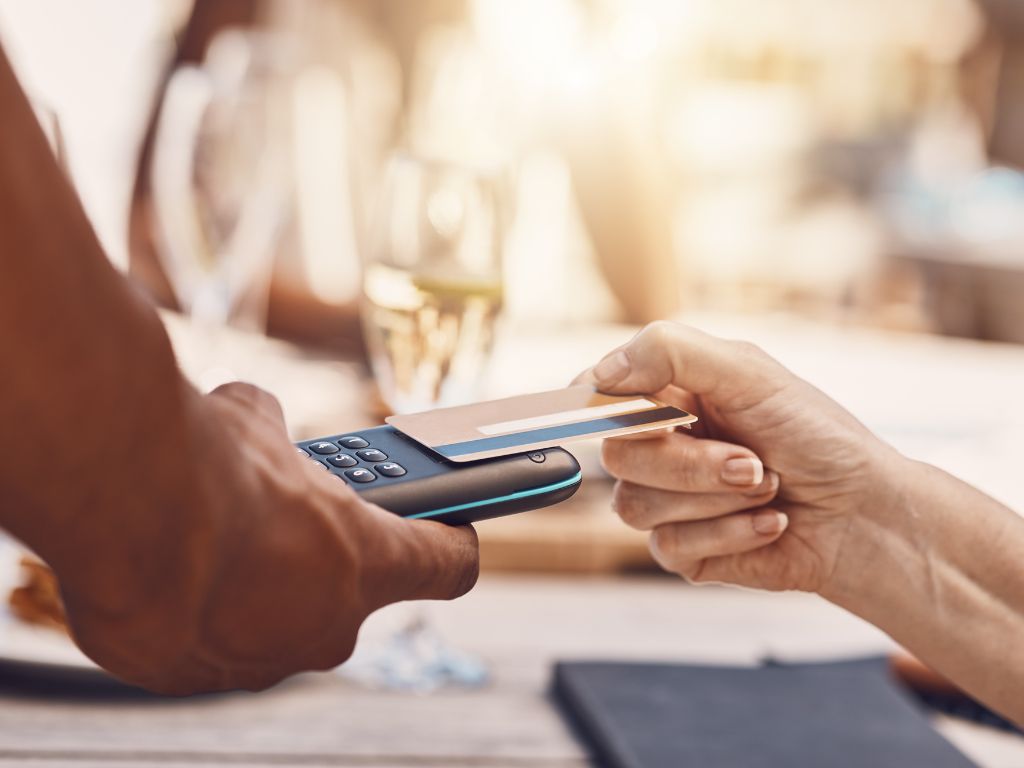
When you look at value rather than number of transactions, cards take first place (45%), while cash drops to 39%. In other words, cash covers the small stuff, coffee, ice cream, parking, while cards take over for bigger bills.
In Croatia you can generally use a card for all the bigger expenses (accommodation, car rental, restaurants, fuel, groceries), but bring cash for the small stuff.
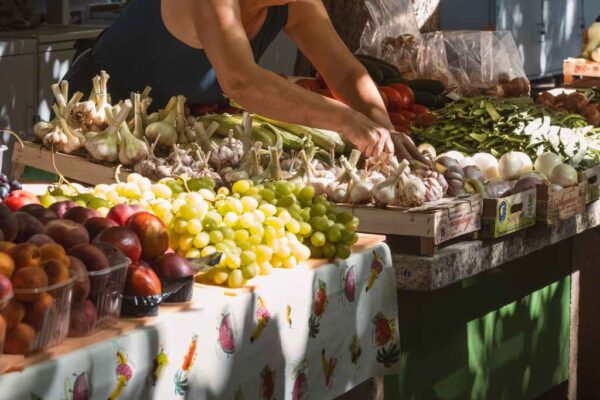
Some places still prefer cash, so keep some handy if you’re heading to lunch at a small konoba on an island, to the market for fruit and vegetables, or taking a taxi out on the outskirts.
Where you’ll definitely need cash
- Markets and small family-run shops: especially in smaller towns in Istria and Dalmatia. If you’re planning to buy directly from producers (and you really should try the homemade prosciutto and olive oil), bring cash. We recently wrote about how to shop like a local while you’re on the coast.
- Konobas in more out-of-the-way places: many accept cards, but the internet connection in remote spots (islands, parts of Istria) can be unreliable, so POS terminals sometimes “go down” right when you’re hungriest.
- Public toilets, small parking machines, and tips: the classics, same as in most of Europe.
Where cards work with no problems
In tourist towns and cities like Rovinj, Poreč, Split, Dubrovnik, Zadar, card payment is completely standard. Restaurants, larger supermarkets, gas stations, and of course every villa or apartment booking go through smoothly by card.
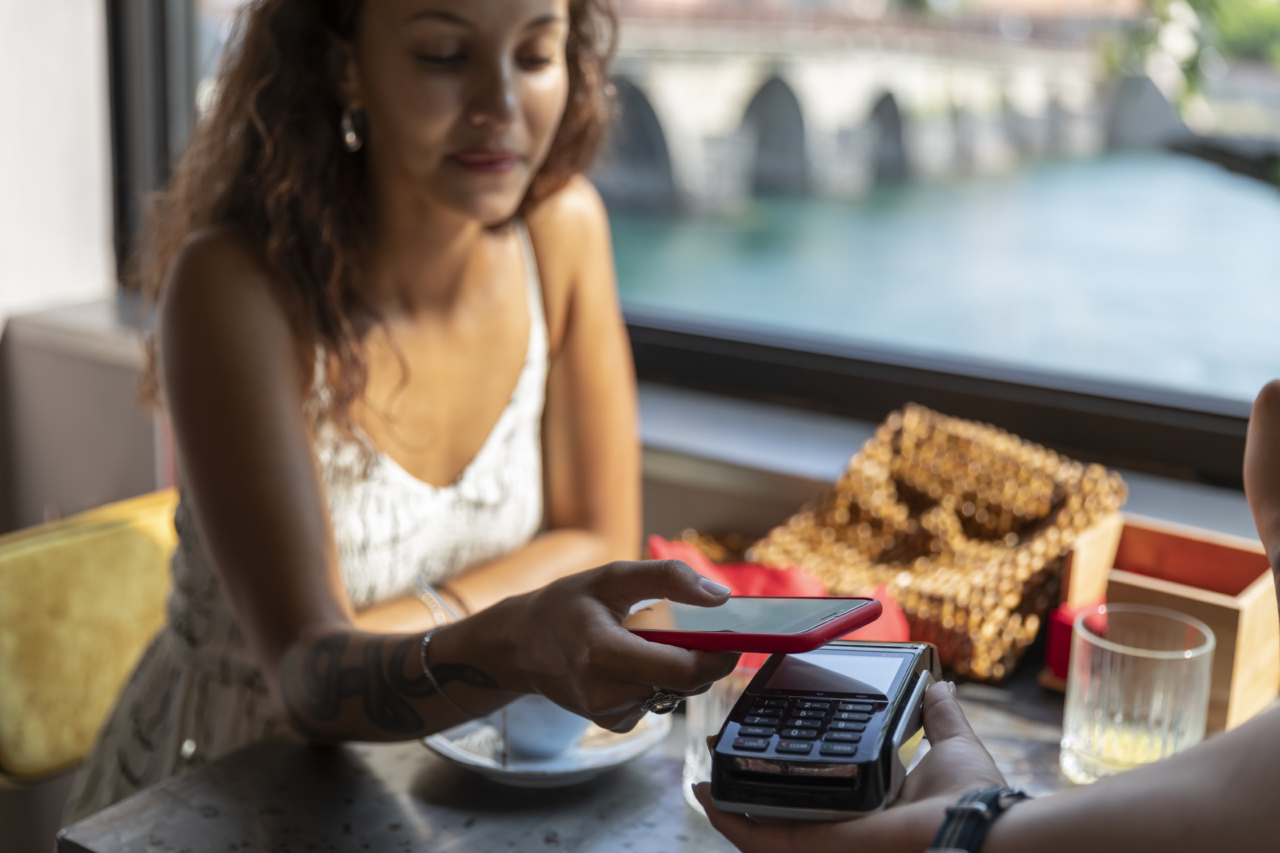
Paying by phone (Apple Pay, Google Pay)
Good news is that Google Pay and Apple Pay are now standard payment methods in more and more shops.
So what about local habits?
Croatia currently lives at the crossroads of two payment worlds.
Croatians like having options. According to a study by the CEPER agency, carried out in Central European countries in late 2023 and early 2024, more than 80% of Croatian citizens own a debit or credit card, but at the same time more than a fifth of respondents say they’d rather always pay in cash. That’s similar to habits in Hungary, Serbia, or Montenegro.
Worth mentioning again: cash still isn’t a museum piece here the way it is in some parts of the world, so always keep some on you.
I say “some” because the amount of cash a person needs to feel safe and relaxed varies from one person to the next: I know people who need at least 80 euros on them at all times, and I also know (ahem) some who’ve once panic-counted cents to see if they could afford the bus or would have to walk.

Our advice for your villa stay
When you book your stay through VillasGuide, zou can pay the villa itself and all related services by card or bank transfer without any complications. But for the days you spend exploring the surrounding area, it’s good to have both on hand. If you’re just getting ready for the trip, check out our guide Travelling to Croatia: Everything you need to know, where we covered topics relevant every summer, like tolls and fuel.
So what did we conclude? Cash or card?
In Croatia in 2026, the answer is: both, thanks.
For more inspiration and practical tips for your stay in Croatia, take a look at the rest of our blog.