When we think of Istria, we think of the sea, historic towns, wine and truffles. Today, we’re focusing on wine and talking about Istria’s wine routes. Get your glasses ready because we’re taking a short stroll through the concept, history, and practical tips for planning a wine tour.
How Istria’s wine roads started
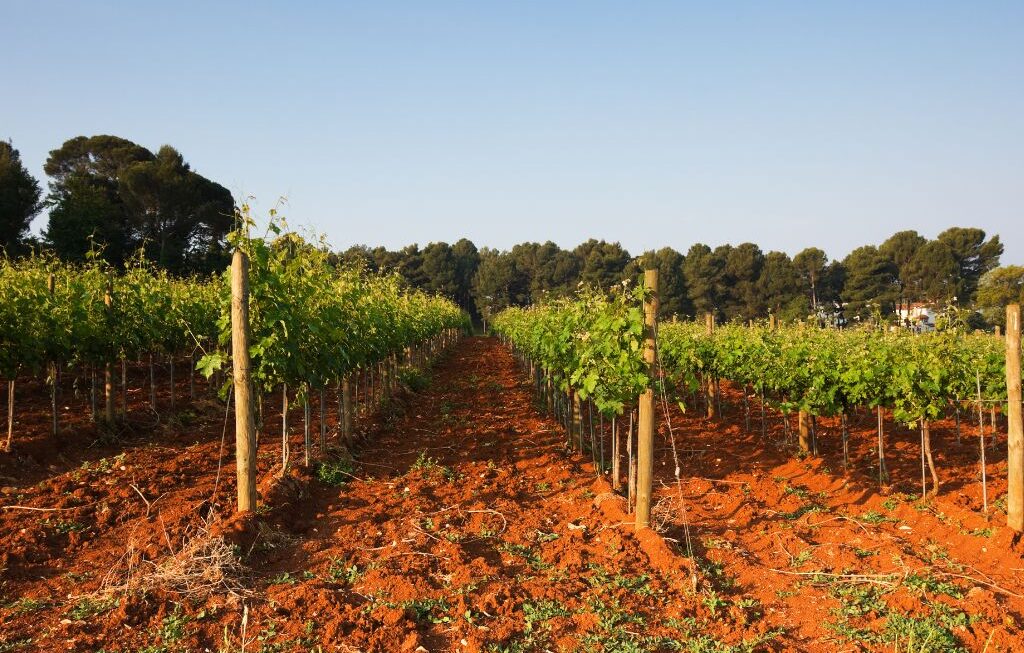
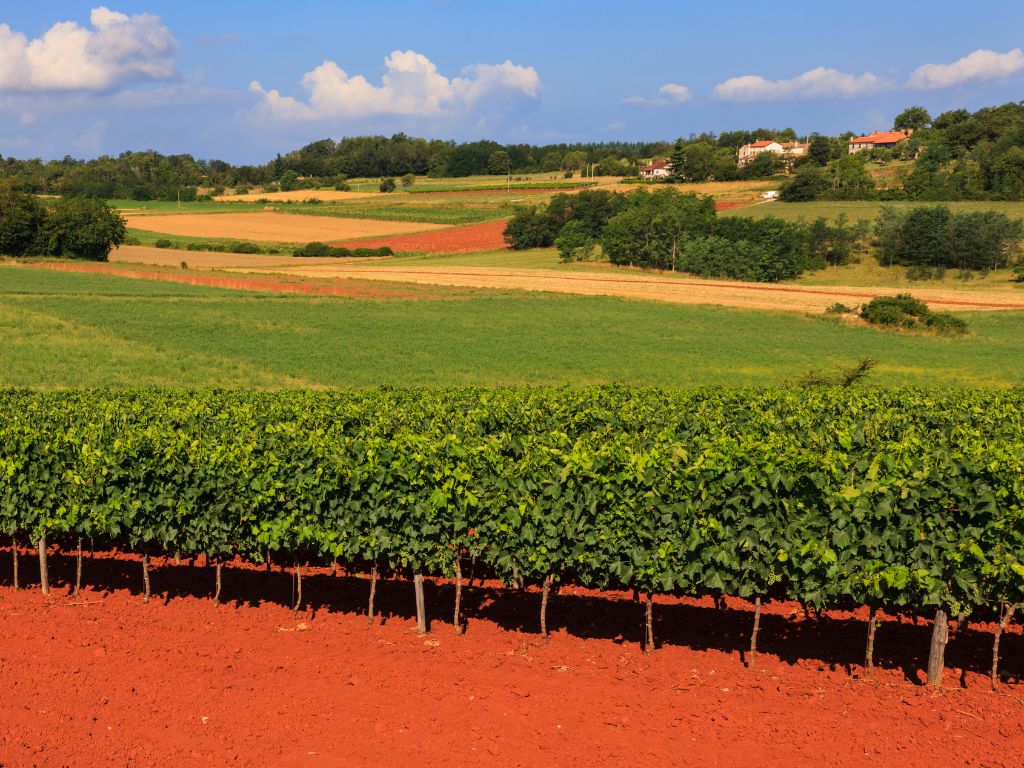
Istria has always boasted a long tradition of viticulture (the vine has been cultivated since antiquity here), but wine production with an emphasis on distinctiveness and branding was in its infancy.
Enter the Istrian Wine Route Project. It was launched by the Tourist Board of Istria County in 1994. The aim was to enrich the tourist catalog by promoting quality wine and to divert guests’ attention from the coast to the interior of Istria.
Standardisation of quality became the foundation of the whole idea; information boards, wine guides and maps were put in place, and Istrian winemakers began to appear at international fairs and competitions.
Many wine routes, one story
The Istrian wineries are located in various places scattered across the Istrian hills. It is essential to decide who will skip the wine tasting and drive, as a car or van is practically necessary for the tour.
Seven wine routes have been defined: the Buje/Brtonigla/Umag/Novigrad route, the Poreč wine route, the Vrsar/Funtana route, the Pula wine route, the Vodnjan/Pula route, and the Labin/Rabac route in the east and the Central Istria routes in the very heart of the peninsula.
Indigenous varieties you must try
Istria has perfected its production and refined its wine identity, and here are the varieties for which it is best known today:
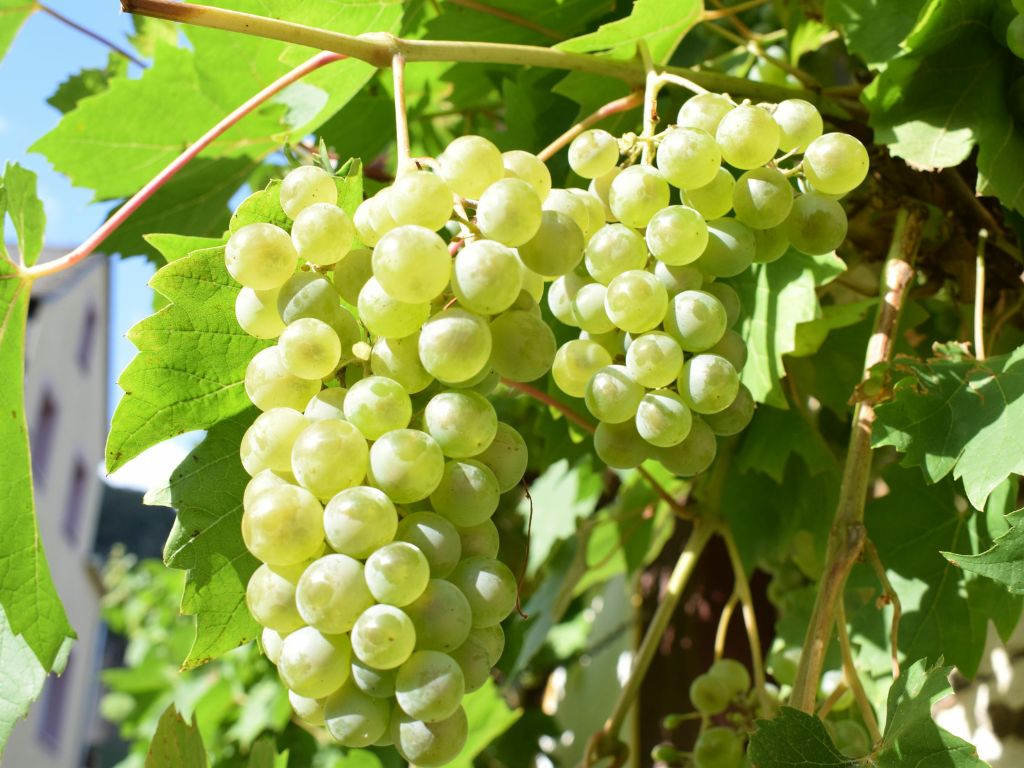
- Istrian Malvasia: the star of the region, a fresh and aromatic white wine with notes of citrus, fruit and yellow flowers. It has a gentle minerality that comes from the specific soil of Istria. It pairs best with fish and seafood.
- Teran: a robust red wine with a dark ruby colour and pronounced tannins. It pairs best with hearty winter foods, sausages, meat dishes and game.
- Refošk: another native red variety that is firmly rooted in Istrian tradition. Pairs well with cured meats, game and roast chicken.
- Moscato (Momjan and Moscato Rosa): for those who prefer sweeter wines. It is recognisable by its golden colour and scent of wildflowers. It pairs perfectly with fritule, pastries and desserts in general.
- Borgonja: the Istrian version of Pinot Noir. It produces wines with fine fruity notes and a touch of tartness. It pairs well with grilled fish.
In addition to local wines, Istrian winemakers also produce world-renowned varieties such as Pinot, Chardonnay, Pinot Gris, Merlot and Cabernet Sauvignon.
Which route to try first
If you only have one day, it’s probably best to choose the route that is closest to where you’re staying.
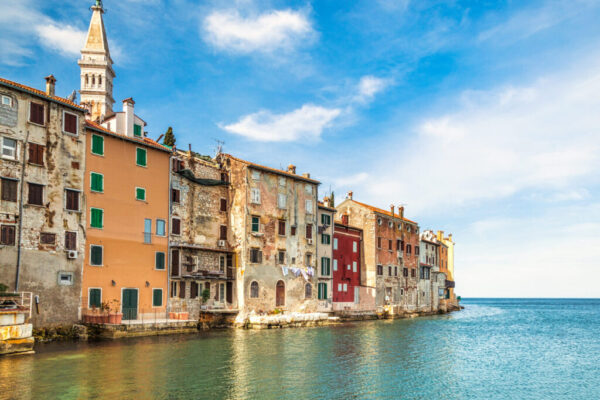
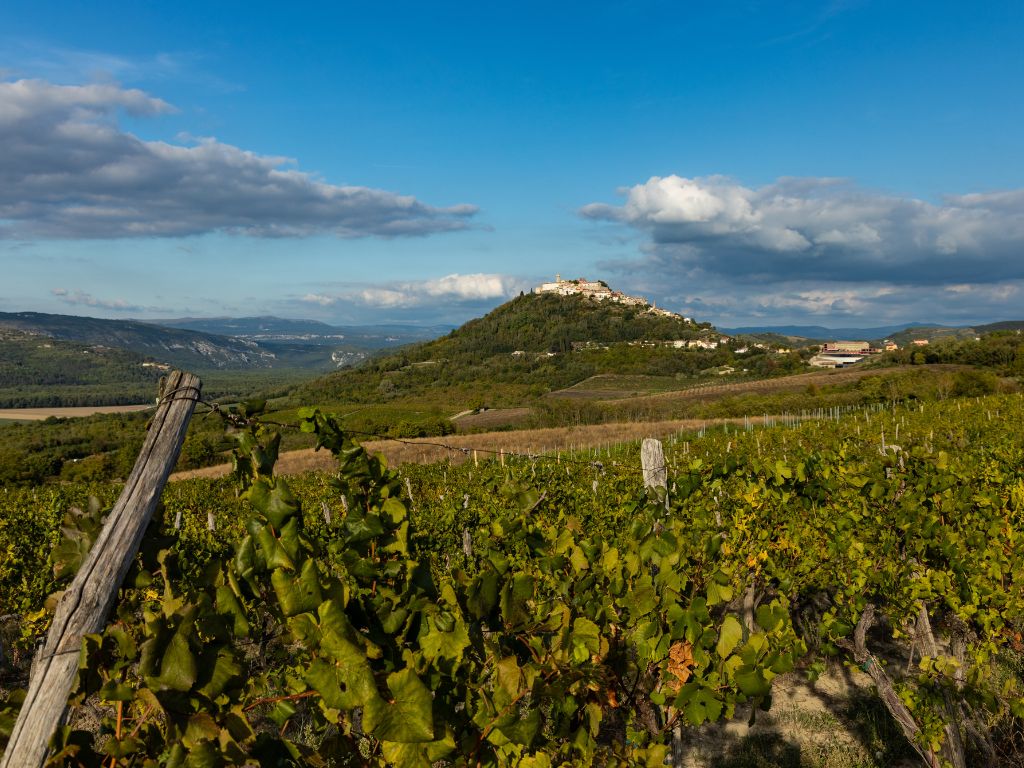
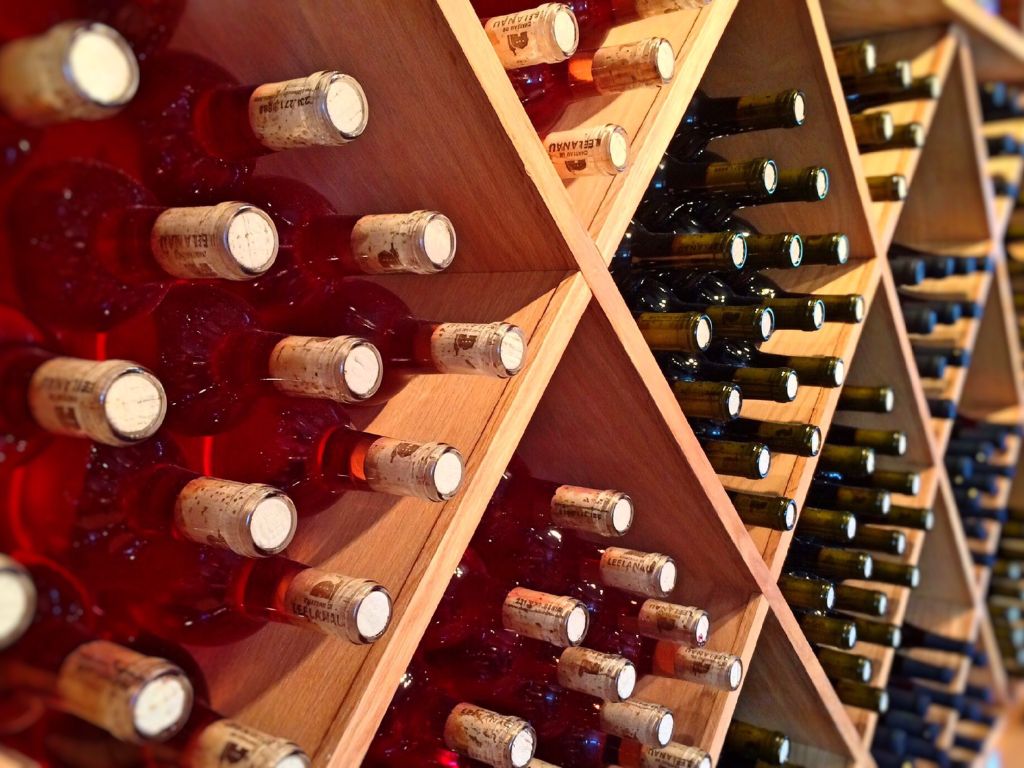
The roads near Rovinj run past vineyards and olive groves with sea views, and the wineries offer guided tastings with local delicacies like prosciutto and homemade cheese. If you’re near Motovun, you can combine a visit to the wineries with a tour that will take you on a truffle hunt. You can find wineries that offer vineyard tours, so you’ll also learn about the winemaking process. The northern route through Buje and Brtonigla brings together some of Istria’s most highly-regarded wineries, and in the very heart of the peninsula, you will find historic cellars and wineries that still use traditional winemaking methods today.
How to prepare for your wine trip
A wine tour should be a relaxed outing, and to be relaxed, it’s important to prepare before you go:
- A designated driver is essential. This is the most important item on the list. A tour of the wine routes involves tasting wine at several wineries in a single day, so make sure you have a driver, minibus or taxi in advance, or opt for a guided tour.
- Plan your route in advance and choose three to four wineries; tastings lose their appeal if you pack in too many.
- Book your visit in advance, as smaller family-run cellars require advance notice or have limited capacity. Check each winery’s working hours before you set off. The working hours can vary depending on the season and day of the week.
- Bring cash in case some smaller wineries in the countryside don’t accept cards.
- Wear comfortable shoes if you plan on touring the vineyards and the estate.
- Bring some water and a snack so you can enjoy the wine rather than worrying about being hungry and thirsty.
- You can stop for lunch at a konoba restaurant you pass on the way, turning your winery trip into a food and wine tour.
When to go on a wine tour
In summer, wineries are open into the evening, so you can be more flexible with your planning, but they are also at their busiest. If you’d prefer a quieter atmosphere, it’s safer to visit in spring or autumn.
Many wineries change working hours at weekends and outside the summer season, or are only open on request. Before you go, be sure to check their working hours and book the tasting in advance. In summer, booking is essential due to the crowds, and during the rest of the year because of changing working hours and reduced capacity. And don’t forget to arrange transport or choose a designated (sober) driver in advance.
Where to stay by the wine road
To visit the wineries, you’ll need a good base. Many of the villas from our catalogue are located right along the Istrian wine roads. Here’s two you might like:
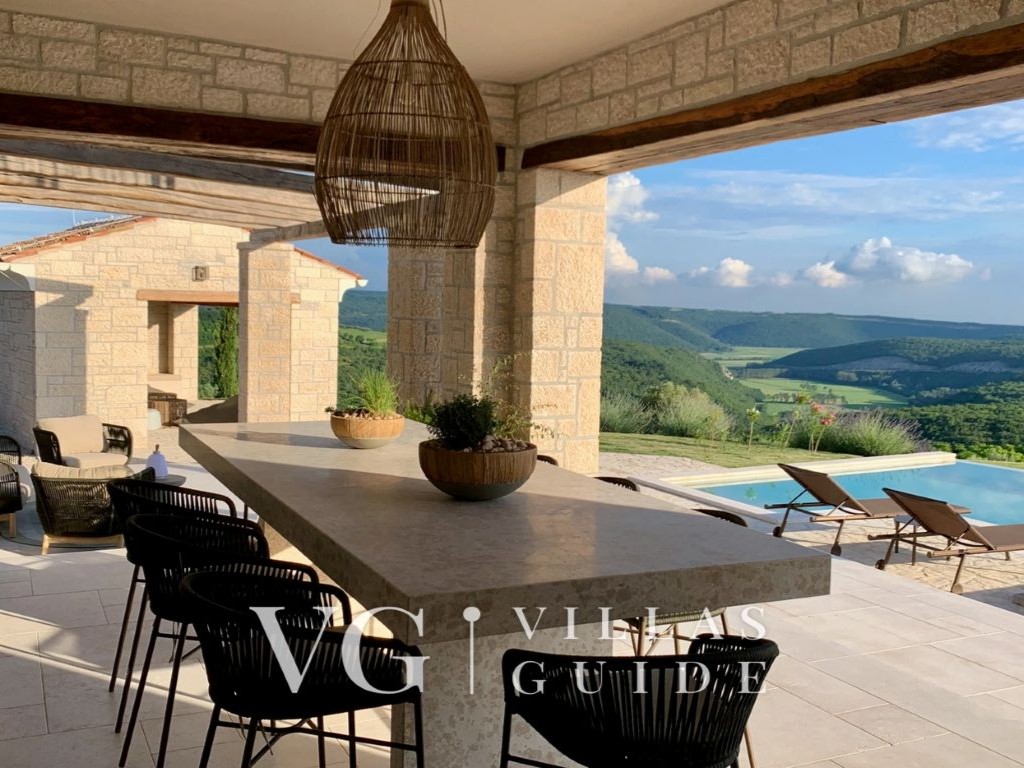
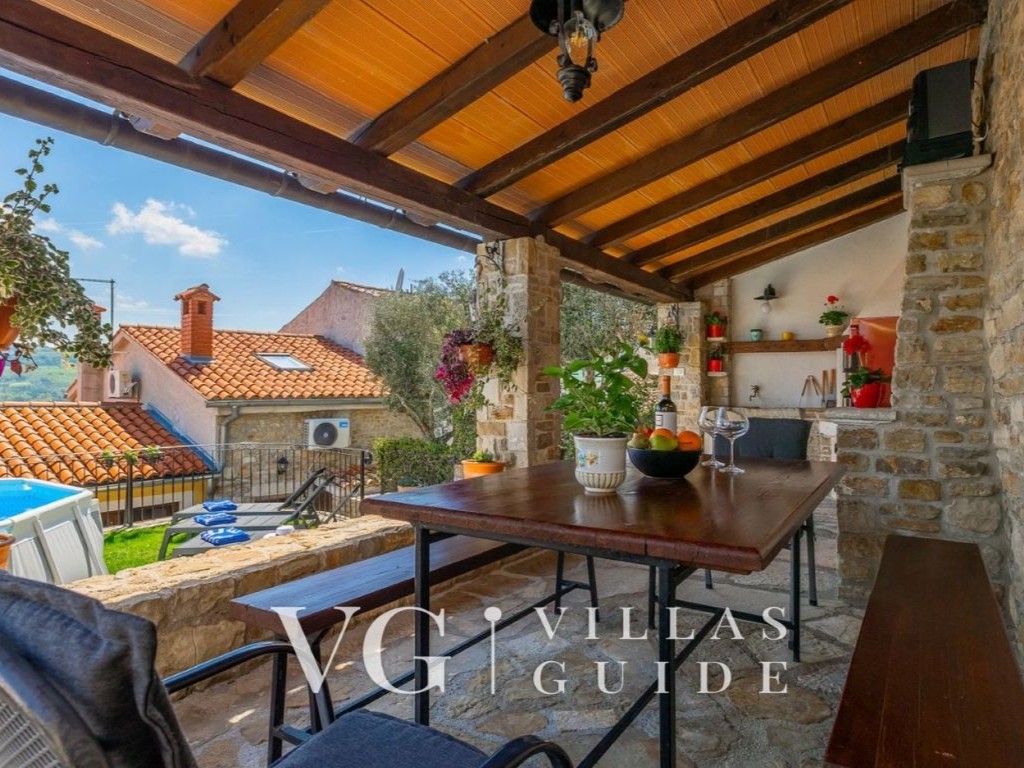
Villa Pietro, in Motovun, is situated in the very heart of Motovun, surrounded by vineyards, and can accommodate up to eight guests. The renowned Fakin and Benvenuti wineries are nearby, so you won’t have to go far to taste some of the best wines in Istria.
Villa Picholine, in Buje is situated on a hill above Buje and is surrounded by olive groves and vineyards. The villa can accommodate up to eight guests and is a good base for exploring the wineries in Buje. There are enough wineries to keep you busy for a couple of days, with the most famous being Kozlović and Kabola.
Search for other villas in Istria on villas-guide.com.
We hope the wine routes of Istria have intrigued you and you can already picture yourself with a glass of Malvasia or Teran on a winery terrace. You’re welcome!
If you’re short on ideas for your next holiday or don’t know which dishes to try when you’re in Croatia, take a look at our article Culinary Croatia: Must-try dishes across the regions, or explore the rest of the blog for more local tips and stories from Croatia.