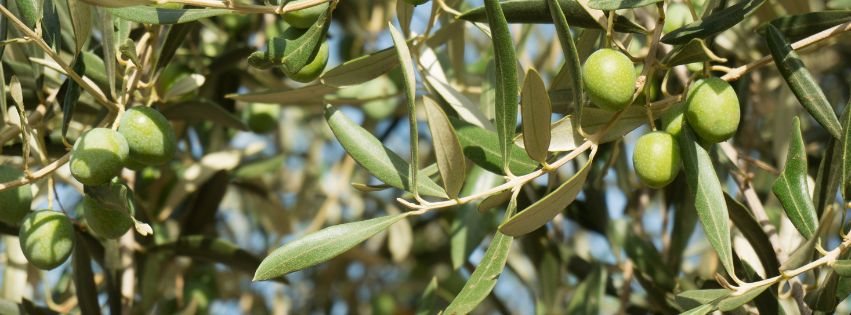
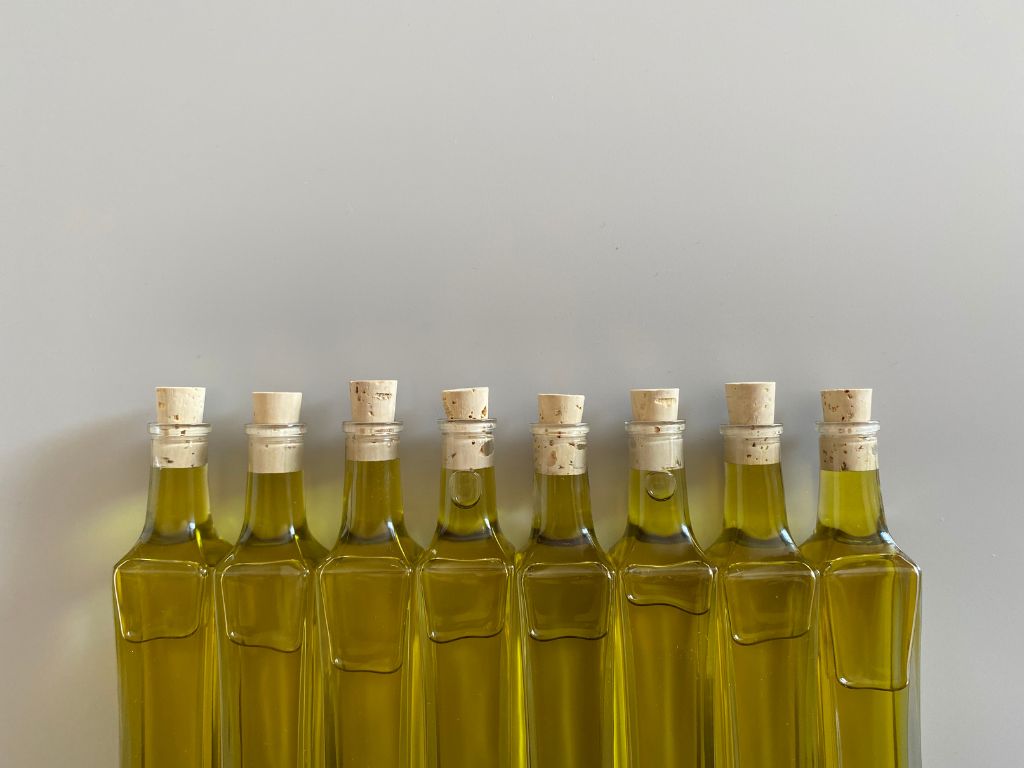
When the autumn sun sets low over the Istrian hills, you know one of Istria’s oldest traditions is approaching: the olive harvest. For many Istrians, the olive harvest is an opportunity for a family gathering and an event that brings together generations and friends. Centuries of tradition and the refinement of techniques have paid off. The result is an oil that local producers rightly call liquid gold.
Today, we’re exploring olive growing in Istria, and we’ll add a few suggestions for villas at the end. You’ll need somewhere to stay when you get tired of walking through the Istrian olive groves. 🫒
Notes from history
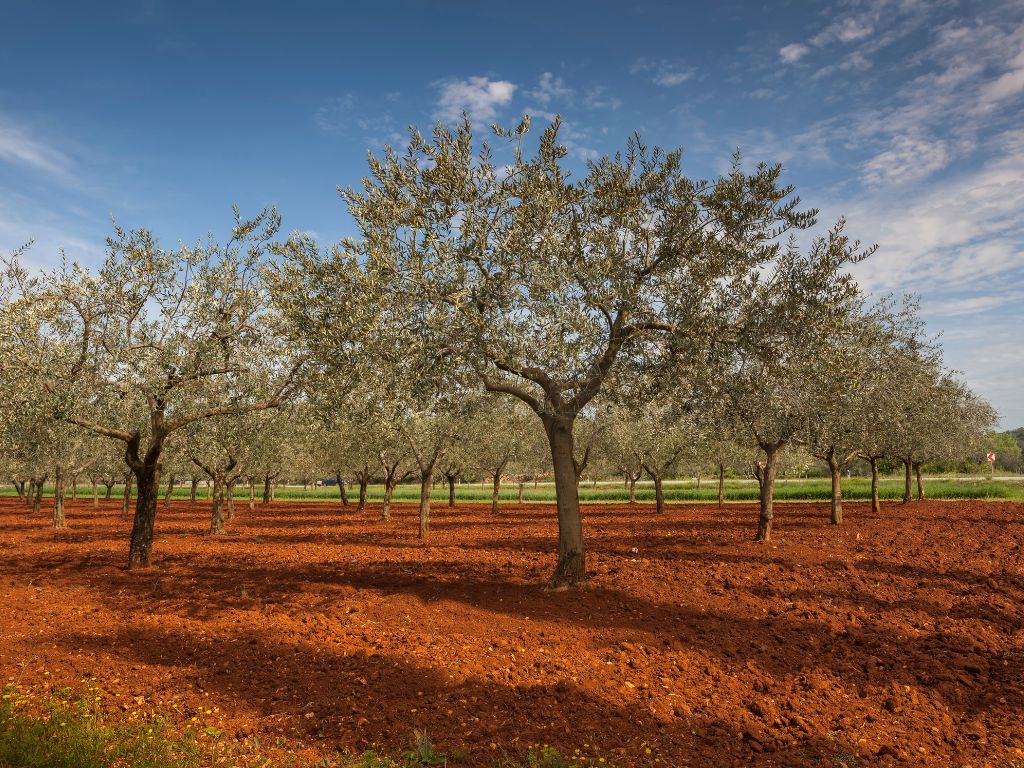
Olive oil was an important part of Istrian economy long before tourism came to the region. The tradition of olive cultivation in Istria dates back to ancient times, when the Romans recognised Istria as exceptionally fertile ground for growing olives.
The longevity of olive growing in Istria is most vividly seen on the Brijuni Islands, where the oldest olive tree in Istria grows. Scientists estimate it to be around 1,600 years old, and it still bears fruit every autumn.
The Istrians not only continued the olive growing tradition, but also perfected it and preserved the indigenous varieties. Don’t think this is just a subjective feeling or mere self-praise. Every year, Istrian olive growing proves itself on the world stage.
The road to success was not an easy one. In the 20th century, Croatia and Istria lagged behind the leading olive-producing countries. The olive cultivation revolution began in the 1990s, when old olive groves were restored and new ones were planted.
Istrian olive oil
So, what makes Istrian olive oil special? It’s the combination of a mild Mediterranean climate and slightly cooler nights than in the southern olive-growing regions of Europe and North Africa. It may seem trivial to us laypeople, but the temperature difference gives the olives a more intense aroma and a higher level of nutrients, so many experts describe Istrian oil as more aromatic and “spicier” than oils from warmer regions.
23 varieties of olive grow in Istria, 11 of which are indigenous, while the rest were imported from other parts of the Mediterranean.
Each variety produces oils with different character. Some are mild and sweet, others have distinctive bitterness. Due to the variety of aromas, family-run mills and producers can play with the flavours and create distinctive oils with a personal touch.
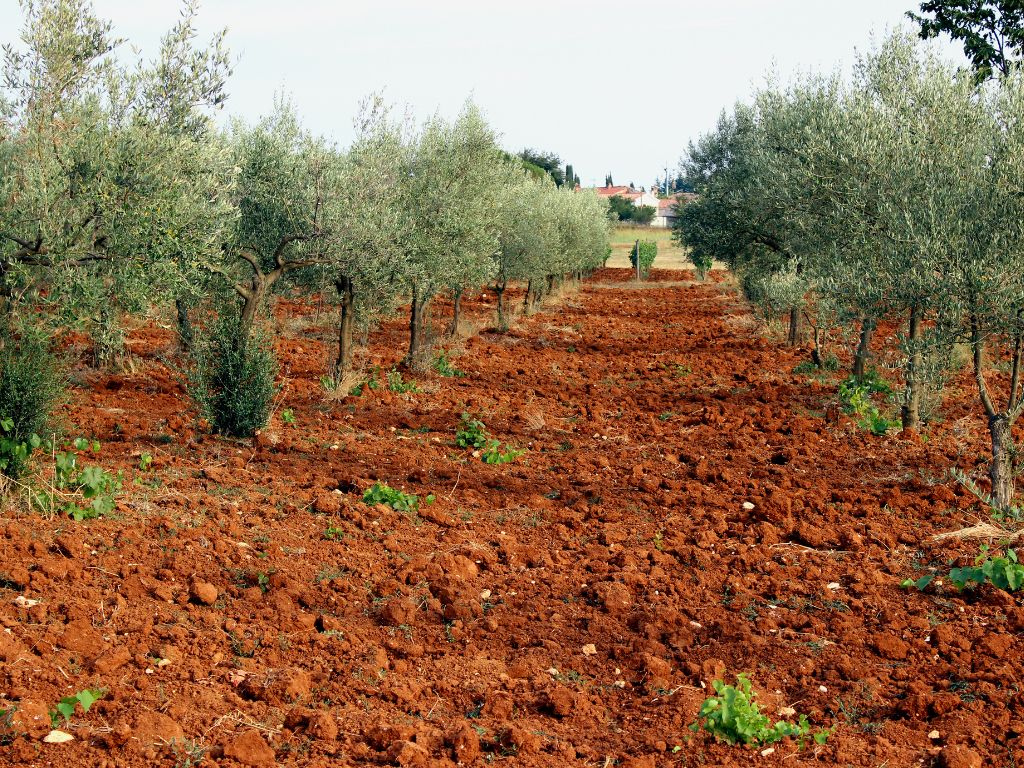
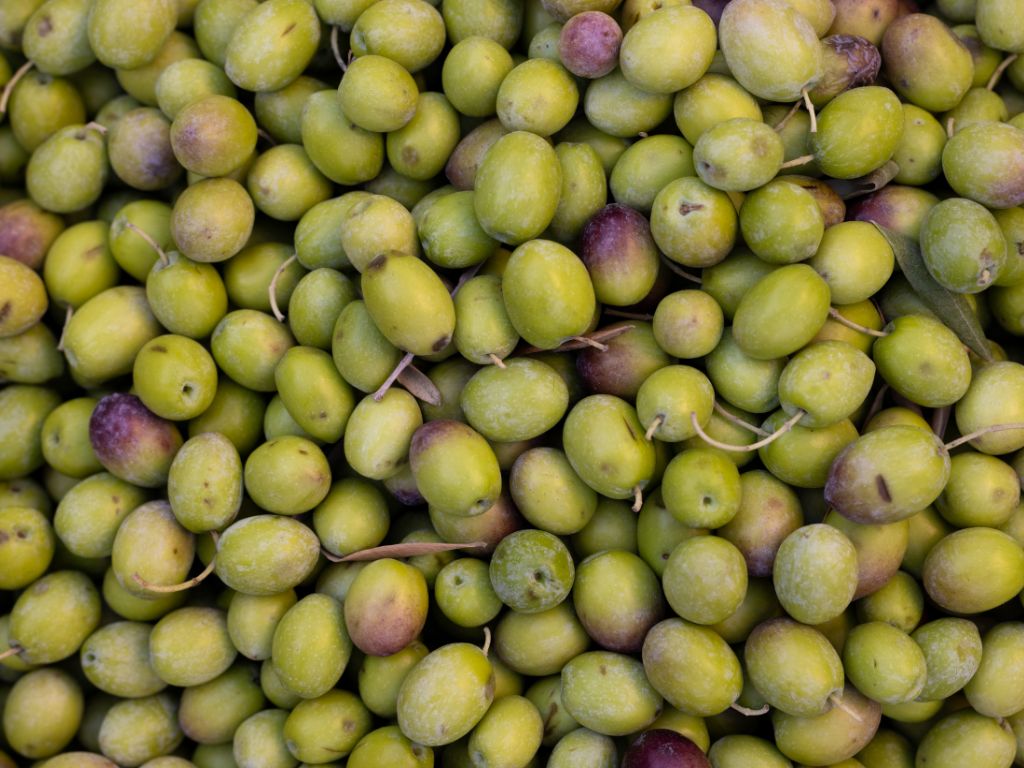
The most widespread indigenous variety in Istria is Buža. If harvested early in the season, Buža yields an oil with a pleasant bitterness and spiciness. If you wait a bit longer, the oil will have a mild aroma. Istarska Bjelica is one of varieties most resistant to winds and low temperatures, and yields oil with a fresh scent and distinctive bitterness. The Oblica variety handles drought and nutrient-poor soil well and produces a sweeter oil.
The harvest in Istria usually lasts from mid-October to the end of November, depending on the variety and the weather conditions.
Olives are most often picked by hand, and nets are placed beneath the tree to catch the fruit. You need to be quick, as the olives must be processed within a few hours of picking for the oil to retain its freshness and low acidity. It makes sense that many family-run oil mills operate almost non-stop during the harvest.
A museum dedicated to liquid gold
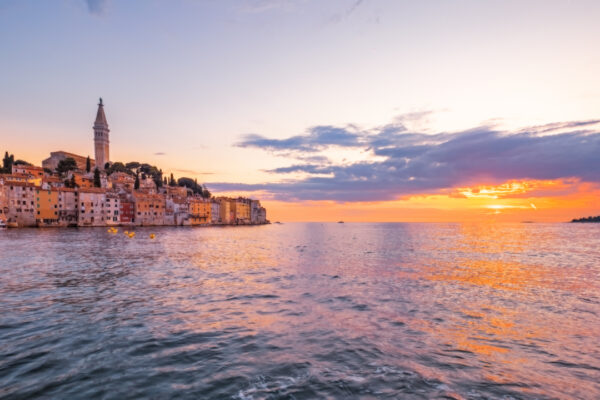
If you’re staying near Pula, visit the Olive Oil Museum. It is located around fifty metres from the Arena. You can learn about olive growing in the region, from the Roman period all the way to the present day. The ancient Romans considered Istrian olive oil one of the best in the entire Empire. Many of the Istrian amphorae, that were used to transport the oil across Europe, have survived to this day. Alongside the museum, there is a tasting room where you can learn to recognise a top-quality oil by its aroma and taste, and shop the most famous Istrian extra virgin olive oils and other local products (truffles, rakija and items made from olive tree).
Experience olive oil culture first hand
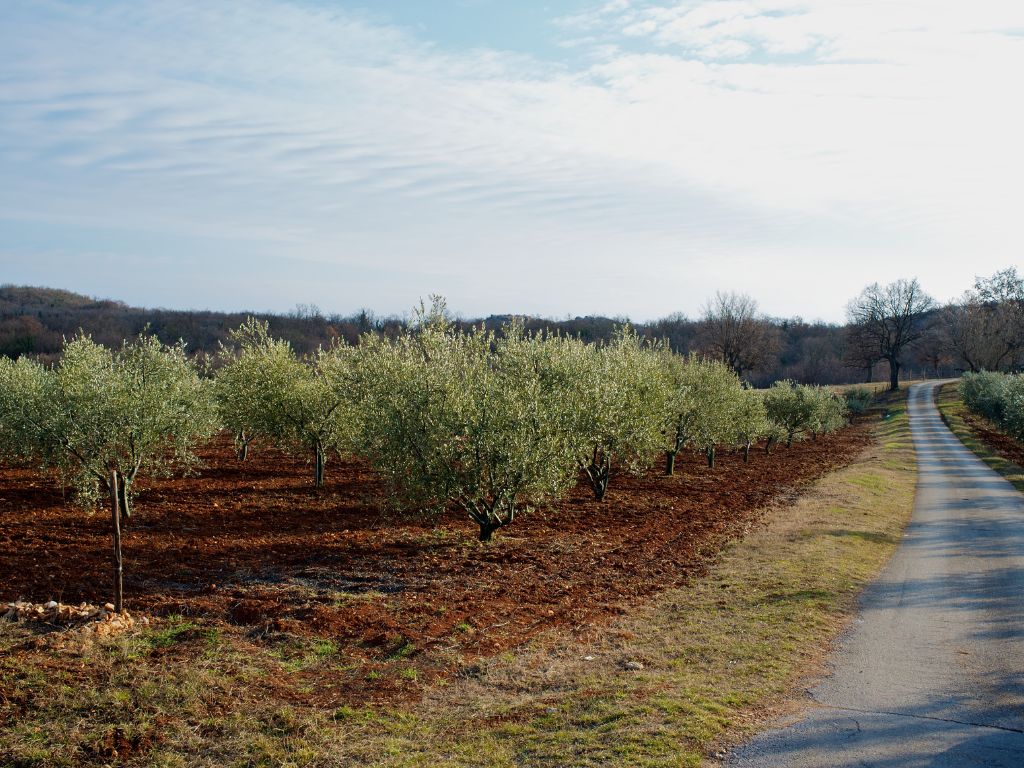
If your holiday coincides with the olive harvest in Istria, you don’t have to watch from the sidelines. There are ways to get involved. Istria is criss-crossed by olive oil roads, and many producers are happy to share their knowledge, and show their facilities and olive groves.
Here’s how to get involved:
- Take part in the harvest: Some family-run farms organise open days or experiences during the autumn, allowing guests to take part in the harvest, visit olive groves, and see how the olives are pressed into oil. Be sure to book in advance, as the owners might be out in the groves when you arrive.
- Taste like an expert: Oil tasting has its own rules: you observe the colour, warm the oil in your palm to release its aromas, then take a short breath as the liquid touches your palate.
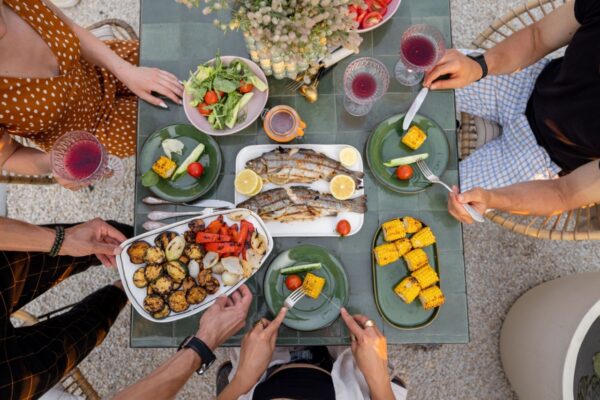
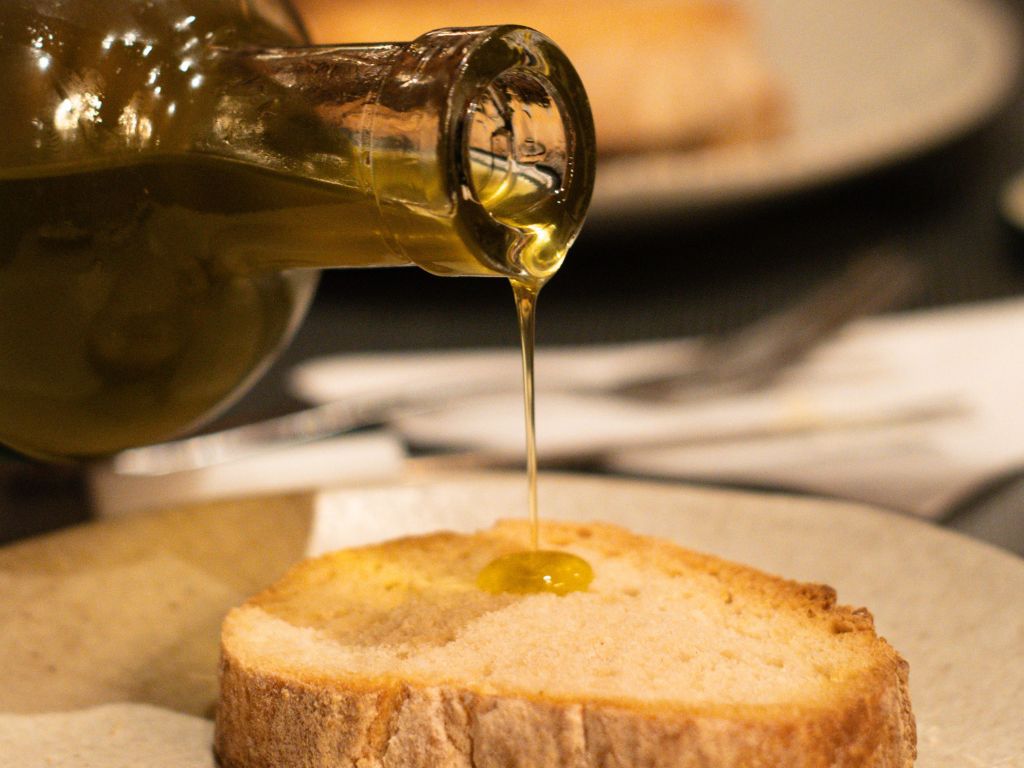
- Pair the oil with food: Many local restaurants offer tasting portions, so you can try the fresh oil with homemade bread, ham and cheese.
- Take Istria home with you: A bottle of oil becomes so much more than a souvenir when you buy it directly from the producer, or when you know which oil mill processed the olives and which variety you’re taking home.
Villas near olive groves
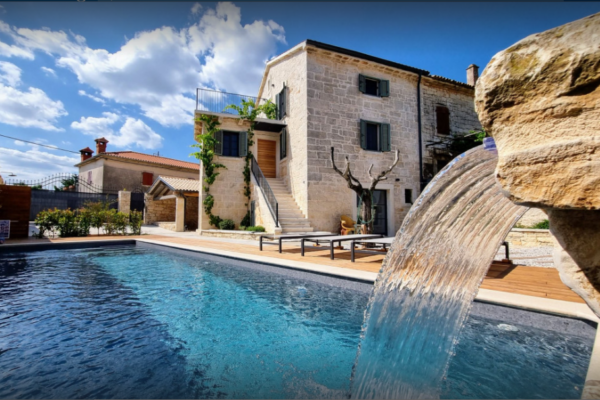
We debated which part of Istria to highlight in this blog, and we couldn’t decide between Istrian hinterland and the coast. In the Istrian hinterland, you can be surrounded by olive groves, family farms and oil mills. If you prefer a sea view, no problem. Everything is within reach here, so you can always take a short trip from the coast to the olive groves.
Villa Ema, Pula
Located just outside Pula, Villa Ema is the perfect choice if you want the sea on your doorstep and olive groves within a short distance. It has three bedrooms and four bathrooms. The Pula Arena is just 6km away, and Vodnjan, home to many award-winning olive oil producers, is a ten-minute drive away. If you want to split the day between sightseeing Pula and a visit to olive groves, this could be a good option.
Casa Garden Contesses, Momjan
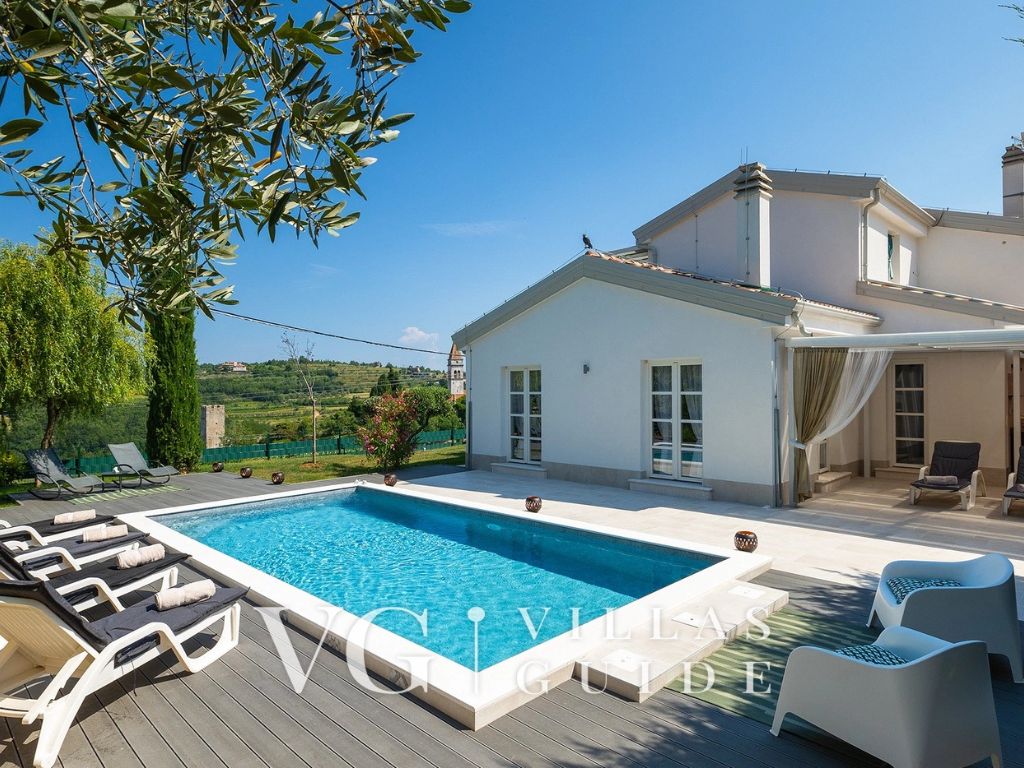
Casa Garden Contesses is located in the village of Momjan, in the Istrian hinterland not far from Buje. This area is known for its fine wines and olive oil. The villa has three bedrooms, a large garden, perfect if you’re coming with pets. The surrounding area is full of small wineries, restaurants and olive groves.
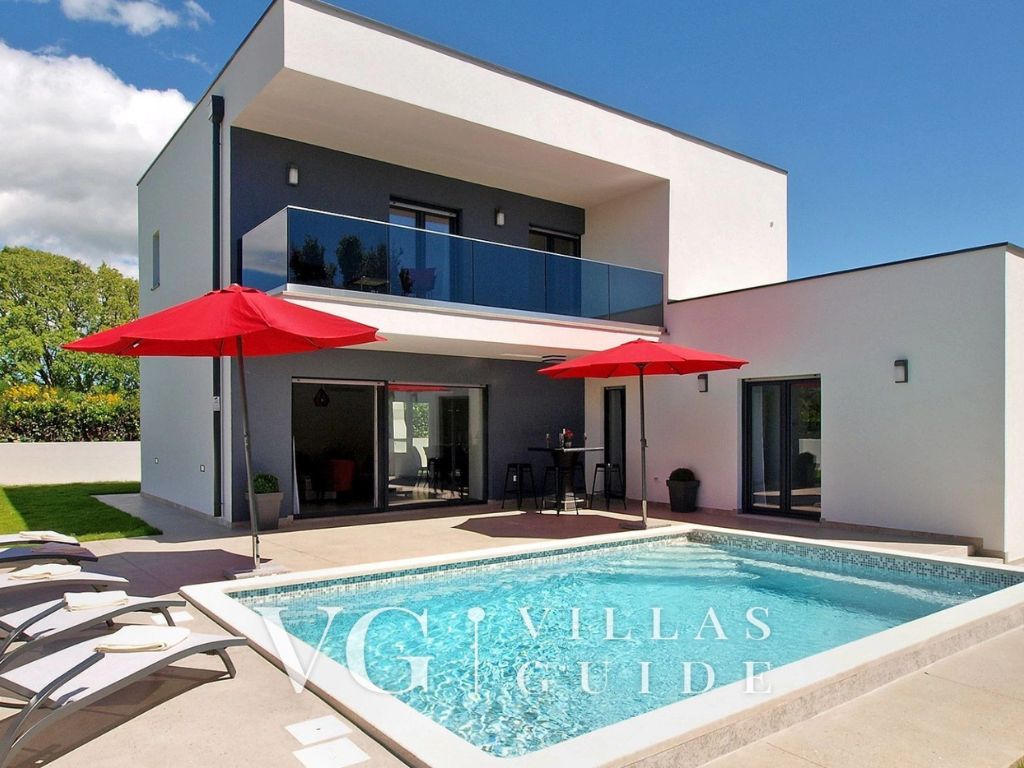
Did you like this tour through the olive groves of Istria? If so, browse our selection of villas in the area. The harvest is almost upon us, and we would love to see you there! Make sure to contact us if you need help finding your accommodation or have questions about availability and amenities.